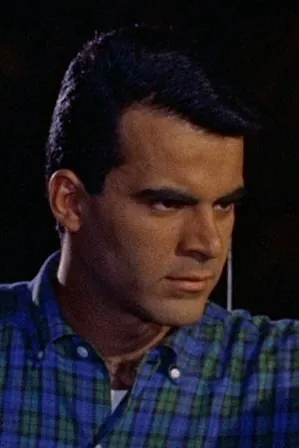
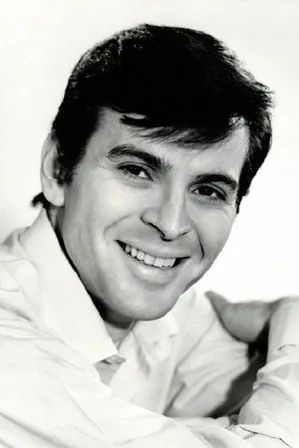
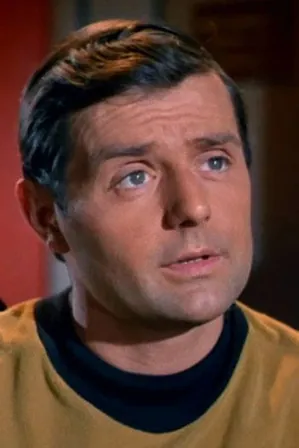
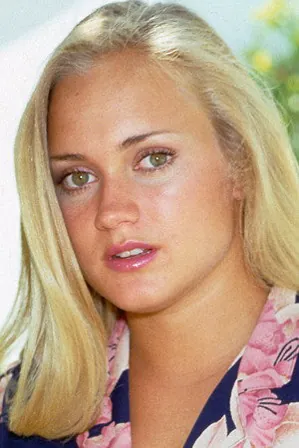
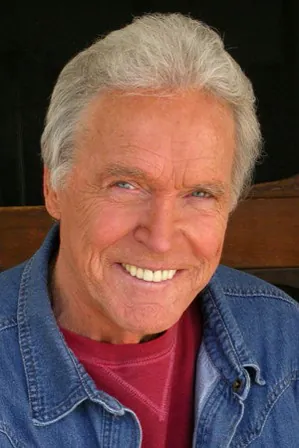
Dorothy Stratten lies dead as her husband Paul Snider rants to himself about the events that led up to the present moment. The story, told through a series of flashbacks, has a linear narrative but is interspersed by Paul's rants as well as by documentary-style interviews with some of the characters.
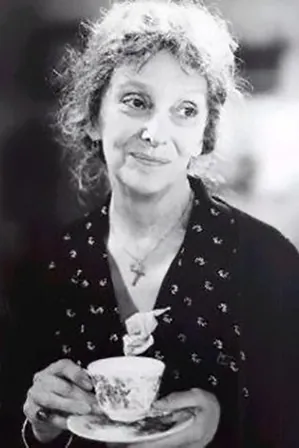
Paul, a brash small-time con artist and pimp, first meets 17-year-old Dorothy two years earlier while she works at a Dairy Queen in her native Vancouver, British Columbia. He woos Dorothy with attention and flattery and a romance develops, much to the displeasure of her mother. Working under the delusion that he is Dorothy's only path to realization, Paul attempts to run her life, uncovering a possessive streak in the process, and insists on being her personal manager. He convinces her to pose nude in Polaroid photographs until she sheds her initial timidity, then hires two professional photographers to take pictures of her.
These pictures make their way to Playboy magazine founder and publisher Hugh Hefner who invites Dorothy to Los Angeles for a photo shoot. When Dorothy's mother refuses to sign the parental consent form, Paul forges her signature. Hefner makes Dorothy Playmate of the Month for the August 1979 issue, provides lodging for her and gives her a job as a Bunny at the local Playboy Club.
Despite his constant infidelities, Paul is plagued by jealousy and feelings of inadequacy. He proposes marriage to Dorothy over the phone, flies to Los Angeles and alienates everyone in the Playboy Mansion with his uncouth and nervously sycophantic demeanor. Against the advice of Hefner and his associates, however, Dorothy proceeds with the marriage. They share a rented house in Rancho Park with another couple and enjoy a large social entourage, but Dorothy becomes increasingly disenchanted by Paul's possessiveness and tacky sleaze.
Dorothy is named 1980's Playmate of the Year and starts an acting career thanks to Hefner's contacts. Paul, on the other hand, feels deeply insecure after losing money on failed business ventures and being eclipsed by his wife's success. Still adamant to remain influential on her life, Paul pesters her with constant phone calls that interrupt her filming sessions, and becomes a fixture at the Playboy Mansion despite lacking a formal invitation from Hefner. He also uses Dorothy's money to purchase a Mercedes with a vanity license plate that reads "Star 80".
Famous film director Aram Nicholas first discovers Dorothy among the skaters at a Playboy Mansion roller disco party. At Hefner's recommendation, he casts her in his next picture, to be filmed in New York City. Paul appears to welcome this development, but his jealousy escalates and he hires a private detective to follow Dorothy in New York. The realization that the Playboy Mansion's doors are now closed for him compounds Paul's erratic obsession, unnerving his housemates in the process.
Noticing Dorothy's unhappiness with the marriage, Aram convinces her to leave Paul and they begin an affair. The private detective discovers this and advises Paul to sue Aram for enticement, in effect conflating the marriage with Paul's purported "management" of Dorothy even though the latter was only a verbal contract.
Broke, dejected and increasingly volatile, Paul correctly surmises Aram's influence on Dorothy's shift in decisions and mannerisms, but fails to accept that his marriage is effectively over. Upon her return to Los Angeles, Dorothy admits the affair, but promises Paul financial support. She agrees to meet Paul personally again to discuss divorce proceedings, despite Aram's advice to use an intermediary. Paul subsequently purchases a shotgun.
Dorothy and Paul meet at the Rancho Park house. Despite his pleas, she declares that their marriage and business ties are over, offers him half of her savings and tries to console him. Paul perceives her attitude as condescending and becomes enraged. A chaotic and reproachful interaction ensues, which culminates in Paul raping Dorothy, shooting her in the head with the shotgun and violating her corpse on a sex contraption of his own design. Paul then turns the gun on himself, and ominously proclaims his future fame before pulling the trigger.
The film concludes with Dorothy Stratten dead, the result of Paul Snider's escalating obsession and violence. The final moments are punctuated by Paul's deranged rants, revealing the destructive path that led to the murder.
The ending starkly illustrates the consequences of unchecked jealousy and control, grounding Dorothy's tragic fate in the toxic dynamics of her relationship with Paul. By closing with Paul's perspective and the aftermath, the film emphasizes the real-life horror at the heart of its true crime narrative, refusing to glamorize or sensationalize the events. This approach leaves a lingering meditation on the costs of fame and the vulnerabilities of those who achieve it.