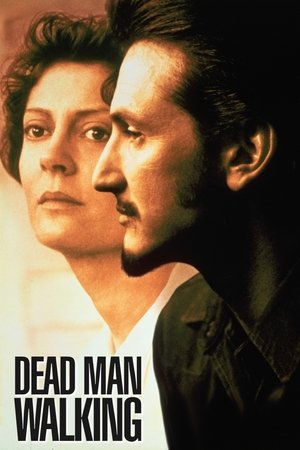
Roberta Maxwell, born in 1942 in Canada, has made a significant impact in theater and film. She appears in Dead Man Walking (1995), where her performance adds depth to the film's exploration of morality and redemption. Before her film career, Maxwell honed her craft at the Stratford Shakespeare Festival, where she played notable roles such as Ursula in Much Ado About Nothing. Her extensive stage experience, including her Broadway debut in The Prime of Miss Jean Brodie in 1968, enriches her portrayal in the emotionally charged landscape of Dead Man Walking.
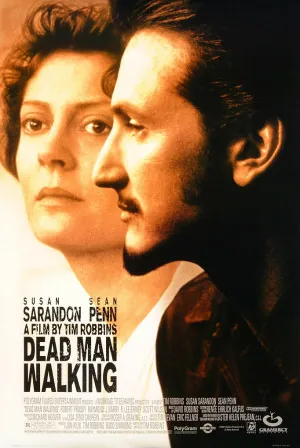
Dead Man Walking
Matthew Poncelet has been on death row for six years, after being sentenced to death for the murder of a teenage couple. Poncelet, held in the Louisiana State Penitentiary, committed the crimes with Carl Vitello, who was sentenced to life imprisonment. As the day of his execution comes closer, Poncelet asks Sister Helen Prejean, with whom he has corresponded, to help him with a final appeal. She decides to visit him. He is arrogant, sexist, and racist and does not even pretend to feel remorse. He affirms his innocence and insists Vitello killed the two teenagers. Convincing an experienced attorney to take on Poncelet's case pro bono, Sister Helen tries to have his sentence commuted to life imprisonment. After many visits, she establishes a relationship with him. At the same time, she gets to know Poncelet's mother, Lucille, and the families of the two victims. The families do not understand Sister Helen's efforts to help Poncelet and claim that she is "taking his side." Instead they desire "absolute justice," his life for the lives of their children. Sister Helen's application for a pardon is declined. Poncelet asks Sister Helen to be his spiritual adviser through his execution, and she agrees. Sister Helen tells Poncelet that his redemption is possible only if he takes responsibility for what he did. Just before he is taken from his cell, Poncelet tearfully admits to Sister Helen that he had killed the boy and raped the girl. As he is prepared for execution, he appeals to the boy's father for forgiveness and tells the girl's parents that he hopes his death brings them peace. Poncelet is executed by lethal injection and given a proper burial. The murdered boy's father attends the funeral ceremony; although he is still filled with hate, he soon begins to pray with Sister Helen.