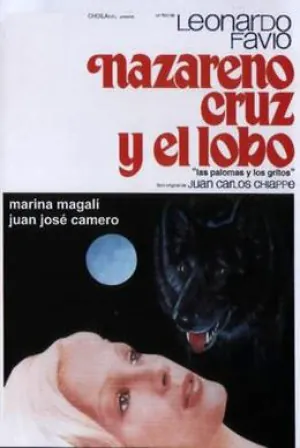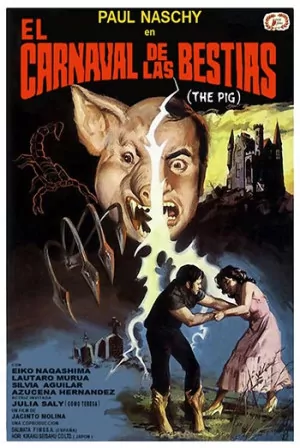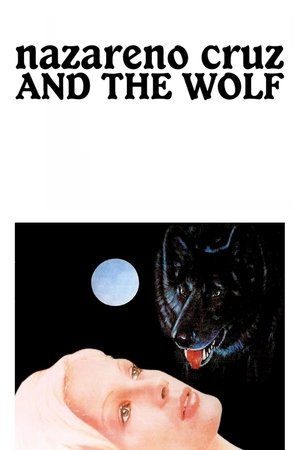
Lautaro Murúa, born in 1926 in Tacna, Chile, became a significant figure in Argentine cinema after moving to Argentina in the early 1950s. He is known for his work in Nazareno Cruz and the Wolf (1975), where he explores themes of folklore and identity, as well as Girl with the Golden Panties (1980) and The Beasts' Carnival (1980), both of which showcase his ability to navigate complex narratives within the realm of exploitation cinema. Murúa's career spanned several decades, contributing to the cultural landscape of Latin American film until his passing in 1995.
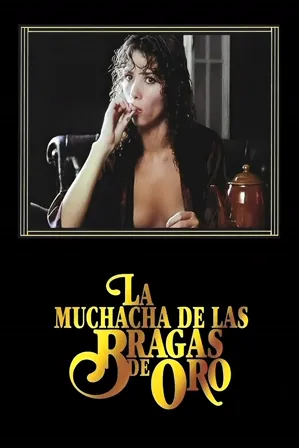
Girl with the Golden Panties
Luys Forest is a writer with a Falangist political past. He lives isolated in a coastal town, writing his memoirs (actually rewriting and adapting his autobiography with the times), and brooding over his failed marriage. His sister is worried about him and decides to send her daughter Mariana to stay with him. Mariana and a seemingly mute and artistic lesbian companion come to town to shake the stable world of Luys with their free and uninhibited ways. Soon begins a game of seduction that ends up exposing the intellectual game of Luys.