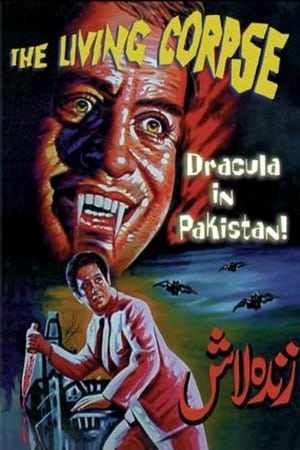
Khwaja Sarfraz emerged as a director in the 1960s, shaping the landscape of South Asian cinema with his unique vision. His film The Living Corpse (1967) stands out as a compelling exploration of human emotions and societal pressures, blending elements of drama and psychological depth. Sarfraz's work resonates with the themes often found in cult cinema, inviting audiences to reflect on the darker facets of life. His contribution to this genre solidifies his place in the annals of cinematic history.
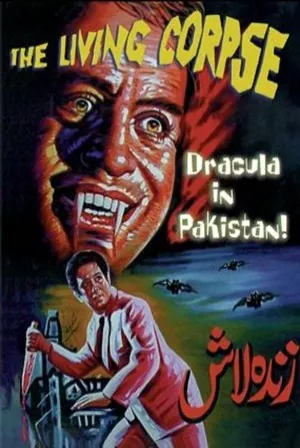
The Living Corpse
Professor Tabini is experimenting on an elixir that he believes will conquer death. When he tries it on himself, however, he dies. His assistant finds his body, and carries it downstairs and into a crypt in the basement. He rises from the grave as a vampire and chomps down on her neck.