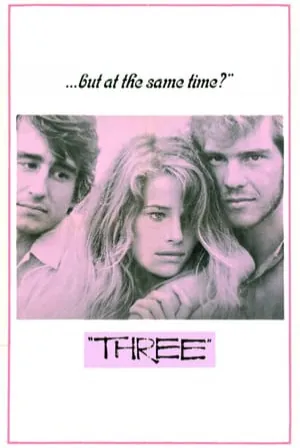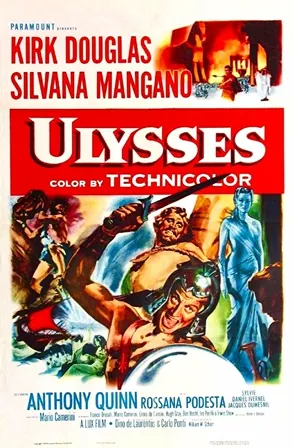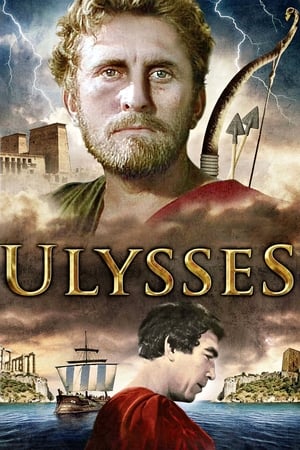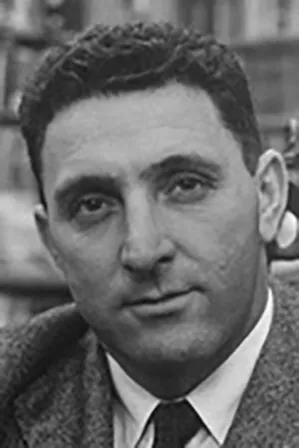
Irwin Shaw, born in 1913, was a prolific writer whose works transitioned seamlessly from page to screen. He penned the scripts for Ulysses (1954) and Desire Under the Elms (1958), both of which showcase his ability to capture complex human emotions and relationships. His later work, Three (1969), reflects his continued exploration of character-driven narratives. Shaw's contributions to these films highlight his significant role in cultivating the rich tapestry of cult cinema, blending literary depth with visual storytelling.
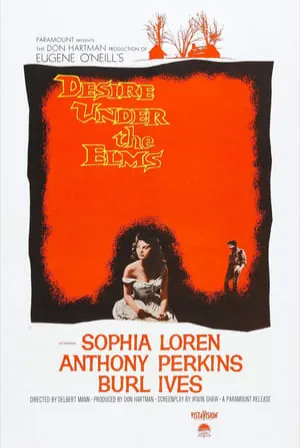
Desire Under the Elms
Widower Ephraim Cabot, a greedy New England farmer who has overworked two wives to their graves, works his three sons from the two women as slaves. The farm's land originally belonged to the second wife, and before her death she pleads with Eben, the youngest son, to take the farm from the old man as his birthright. Eben buys out his half-brothers' shares of the farm with money stolen from his father, and Peter and Simeon head off to California to seek their fortune. Ephraim announces that his desire is for the farm not to be left to anyone, but rather burned to the ground on his death. Later, Ephraim returns with a new wife, Anna, a beautiful and headstrong woman from Italy, who enters into an adulterous affair with Eben. Soon after, Anna bears Eben's child, but lets Ephraim believe that the child is his, with the old man's assurance that the farm shall be willed to her. The proud Ephraim is oblivious to his neighbours' open mocking of him as a cuckold. Eben and Anna argue and, in a fit of jealousy because of comments from his father, Eben tells Anna he wishes the baby were dead and desires to never see Anna again. Madly in love with Eben and fearful of losing him because of the argument, Anna kills the infant, thinking this will prove to Eben her commitment to him. However, an angry and distraught Eben threatens to tell the sheriff what she has done and departs. Before the sheriff arrives Eben returns to the farm and admits to Anna the depths of his love for her and confesses his own role in the infanticide. The old man condemns them both, calls out God, and is content that the farm will not fall into anyone's hands. The sheriff comments to his deputy that he wishes he could possess such a special farm as Ephraim's and then takes the two lovers to jail.