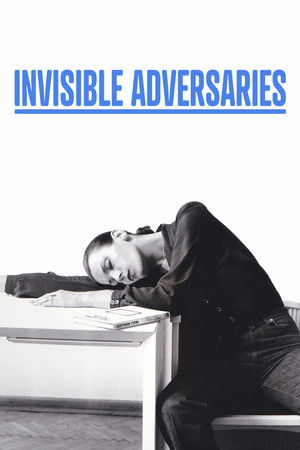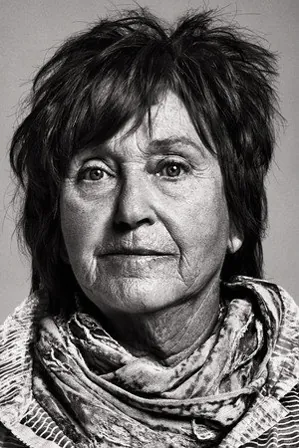
Valie Export, born Waltraud Lehner in Austria, is a pioneering figure in avant-garde cinema known for her provocative exploration of identity and gender. In her film Invisible Adversaries (1977), she not only directed but also wrote, creating a narrative that blends experimental aesthetics with a critical examination of societal norms. Her work often transcends traditional boundaries, incorporating elements of performance art and multimedia installations, making her a vital voice in the conversation around cult and experimental film. Export's contributions continue to resonate within the realms of feminist cinema and avant-garde storytelling.
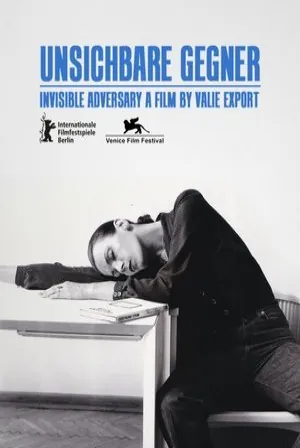
Invisible Adversaries
Anna, an artist, is obsessed with the invasion of alien doubles bent on total destruction. Her schizophrenia is reflected in the juxtapositions of long movie camera takes with violently edited montages: private with public spaces; black & white with colour, still photographs with video, earsplitting sounds with disruptive camera angles. Anna uses her body like a map; after a devastating quarrel with her lover, she paints red stitches on herself. Watching their scenes together, we realize how seldom, if ever before, the details of sexual intimacy have been shown in film from the point of view from a woman. Export privileges rupture over unity and never settles for one-dimensional solutions