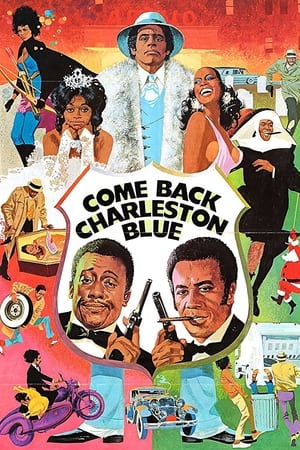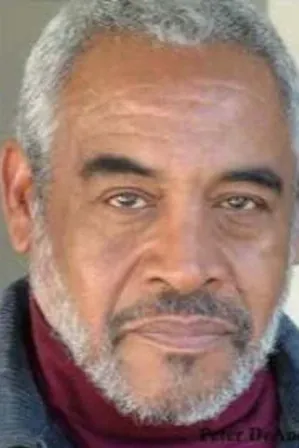
Peter De Anda, an actor known for his role in Come Back, Charleston Blue (1972), brings a unique perspective to the film's narrative of community and resilience. Set against the backdrop of a vibrant neighborhood, De Anda's performance reflects the cultural richness of the era. His work in this film contributes to the broader conversation about the representation of marginalized voices in cinema, particularly within the realm of cult and exploitation films. De Anda's presence in Come Back, Charleston Blue helps to illuminate the struggles and triumphs of the characters, making it a significant entry in the genre.
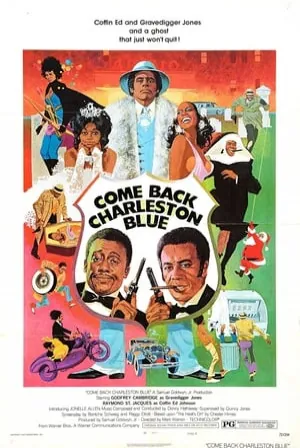
Come Back, Charleston Blue
Coffin Ed Johnson and Grave Digger Jones are confounded by a string of strange murders in the neighborhood of Harlem, New York. The murders themselves aren't nearly as bizarre as the calling card left by the murderer: a blue steel straight razor. Legend has it that this was the calling card of Charleston Blue, a vigilante who tried to rid the neighborhood of all criminal elements using a straight razor. Blue, having disappeared years ago after he went after Dutch Schultz (with his trusty straight razor) was considered dead by all except his girlfriend, who kept his razors locked away until his "come back." Soon after the murders start it is discovered that the razors were missing and all evidence points to Joe Painter, a local photographer, who has begun dating Carol, the beloved niece of mafia errand boy, Caspar Brown. Joe and Brown are at odds over Caspar's refusal to help Joe kick the mafia out of the neighborhood, so Joe enlists the help of a group of brothers and the spirit of Charleston Blue. However, Coffin Ed Johnson and Grave Digger Jones discover that Joe's plan doesn't seem to be exactly what he claimed it was.