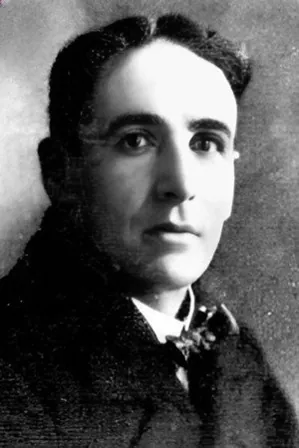
Harry Allen, born in 1883 in Australia, made his mark as a character actor during the silent and sound film eras. After transitioning from stage performances with the J. C. Williamson organization, he found his way to North America and Broadway in the early 1920s. In The Lodger (1944), Allen delivers a compelling performance that highlights his ability to inhabit complex supporting roles, contributing to the film's tense atmosphere. With a career spanning over a hundred films, his work remains a notable part of cult cinema history.
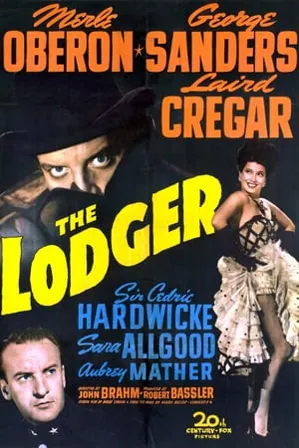
The Lodger
Slade, a serial killer, is a lodger in a 19th-century family's London home. So is a singer, Kitty Langley, who definitely has caught Slade's eye. Women are being brutally killed in the Whitechapel district. Scotland Yard is investigating, and a detective, John Warwick, begins to cast his suspicions in Slade's direction. Kitty, meanwhile, has also developed an attraction to Slade. Slade goes to see her perform at a cabaret. He goes backstage afterward, and tries to make her his next victim, but Warwick's men get there just in time. Unwilling to be taken into police custody, Slade flees to the riverbank, and leaps to his death.