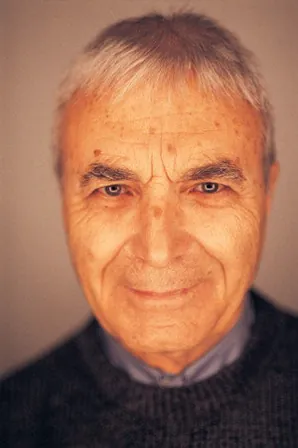
Memduh Ün, a pivotal figure in Turkish cinema, directed Cellat in 1975, a film that reflects his innovative approach to storytelling. Born in 1937, Ün began his career in film after a brief stint in medicine, quickly establishing himself as a director who transcended traditional melodrama. His work, particularly in Cellat, is marked by a distinctive narrative style that contributed to the evolution of Turkish film. Ün's legacy includes not only his directorial achievements but also his influence on the next generation of filmmakers.
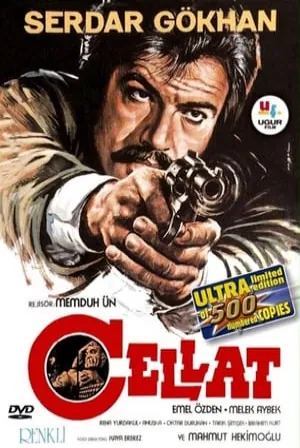
Cellat
Architect seeks revenge and becomes vigilante after group of hoodlums break into his apartment and rape his wife and sister. Cellat, the Turkish version of Death Wish, sticks fairly close plotwise to the template of the American film, with some scenes and bits of dialogue being almost identical. However, it also deviates from its inspiration at times and is at its most interesting and valuable in these little moments, providing lurid snapshots of a place and a culture. Expectedly, and true to the heroes of Turkish genre cinema, the vigilante in this film is significantly more sadistic than his stateside counterpart and devises amusing means of dispatching his targets at the end. Along the way there’s a Turkish funeral, a very welcome bellydance, and distinctive, somewhat exotic music (played over and over again at intervals) and even some tits.