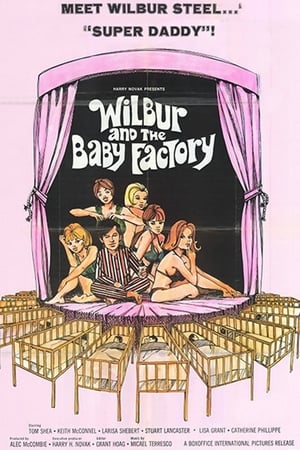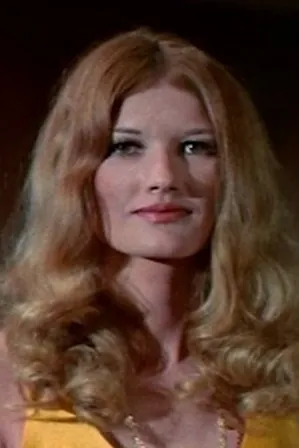
Larisa Schubert is known for her role in Wilbur and the Baby Factory (1970), a film that exemplifies the eccentricities of exploitation cinema. Set against a backdrop of absurdity, the film showcases Schubert's ability to navigate the strange and often surreal narratives typical of the genre. Her performance contributes to the film's cult status, capturing the essence of the 1970s grindhouse era. Schubert's work in this film highlights the unique storytelling found in cult cinema, making her a noteworthy figure in this niche.

Wilbur and the Baby Factory
Wilbur Steele, an amiable college protester trying to avoid the draft, is tricked into signing a 2-year contract with The Baby Factory, a secret organization dedicated to sterilizing the world's population and creating a genetically perfect race. Under Dr. Wednesday's direction, Wilbur is physically and chemically conditioned for the task of fathering some 2,000 children over a 2-year period. His initial shock at being informed of his mission turns to bitter resentment as he is forced to apply himself to the enormous task. Wilbur's sullen predecessor, "The Bull," kept locked in a secret room, useless as a breeder, commits suicide. To deal with Wilbur's growing hostility, Dr. Wednesday prescribes ever-increasing doses of dangerous drugs, until Wilbur breaks down completely during an attempt at conception. Wilbur finally manages to escape through an elevator shaft, and he wanders through the woods in delirium. He is shot trying to enter a hunter's cabin and taken to a mountain hospital to recuperate. Confronted by Dr. Wednesday, Wilbur decides to put an end to the whole horrendous project. As he is led to an ambulance, he grabs the sheriff's gun and shoots the doctor.