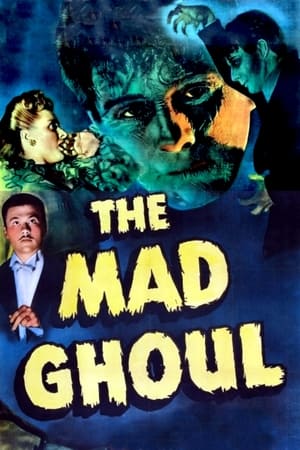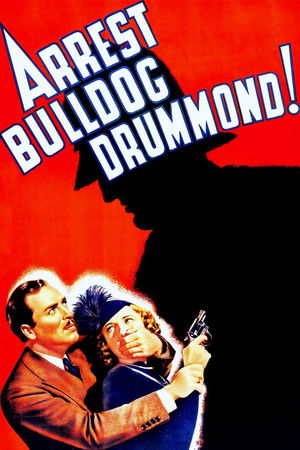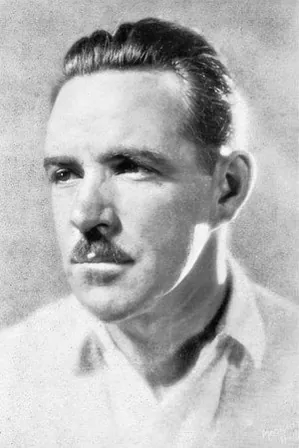
James P. Hogan, an influential director born in the early 1900s, is best known for his work on The Mad Ghoul (1943). This film showcases Hogan's ability to blend horror and science fiction, reflecting the era's fascination with the macabre. His direction in The Mad Ghoul captures the essence of 1940s genre cinema, making it a notable entry in the cult film canon. Hogan's contributions resonate within the realm of exploitation cinema, marking him as a significant figure in the development of horror narratives.
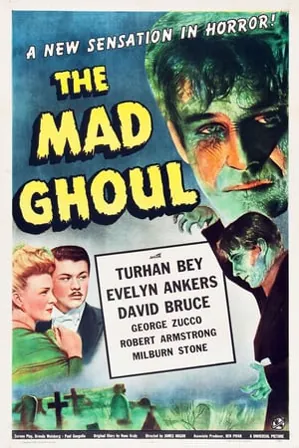
The Mad Ghoul
Dr. Alfred Morris, a university chemistry professor, rediscovers an ancient Mayan formula for a gas which turns men into pliant, obedient, zombie-like ghouls. After medical student Ted Allison becomes a guinea pig for Morris, the professor imagines that Allison's fiancée, a beautiful concert singer Isabel Lewis, wants to break off the engagement because she prefers the professor as a more "mature" lover but in reality loves Eric, her accompanist. In order to bring Ted back from his trance-like states, Morris commands him to perform a cardiectomy on recently deceased or living bodies in order to use serum from their hearts as a temporary antidote. When the serial murders seem to coincide with Isabel's touring schedule, ace reporter "Scoop" McClure gets on the mad scientist's trail.