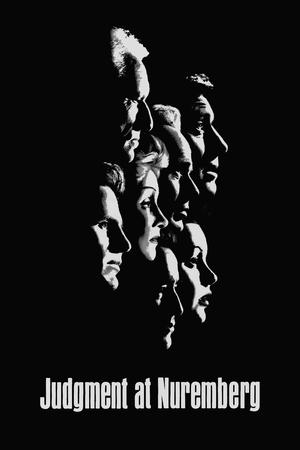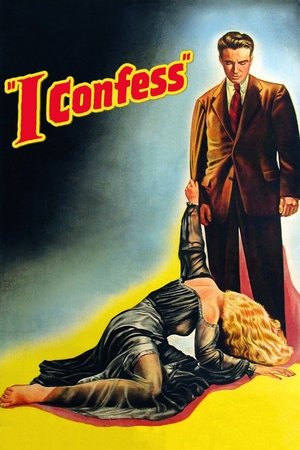
Montgomery Clift, born in 1920, emerged as a defining figure of the Golden Age of Hollywood, known for his emotionally nuanced performances. In Freud: The Secret Passion (1962), he embodies the complex psyche of Sigmund Freud, a role that highlights Clift's ability to convey vulnerability and depth. His career began on Broadway, where he captivated audiences before transitioning to film, becoming a pioneer of a new acting style that emphasized realism. Clift's legacy continues to influence the portrayal of conflicted characters in cinema.
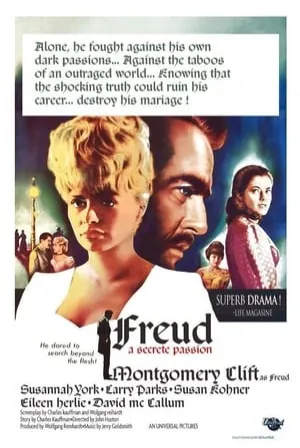
Freud: The Secret Passion
The story compresses the many years it took Sigmund Freud to evolve his psychoanalytic theories into what seems like a few months. Almost every neurotic symptom imaginable conveniently manifests itself in one (composite) patient, Cecily Koertner. She is sexually repressed, hysterical, and fixated on her father. And so Freud goes to work, developing one hypothesis after another. Also shown is Freud's home life with his wife Martha, whom he alternately discusses his theories with and patronizes when she reads one of his papers.