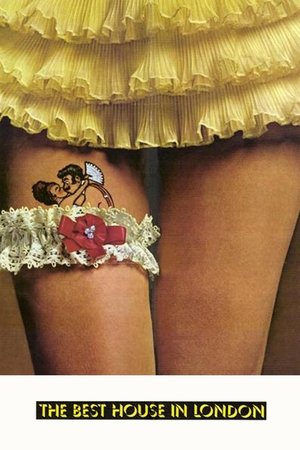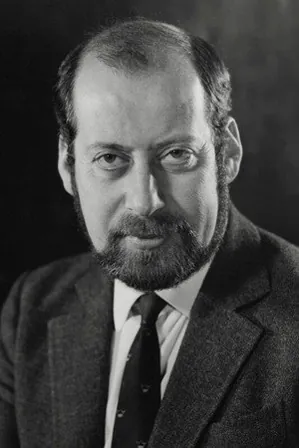
Clement Freud, born in 1924, brings a distinct charm to his role in The Best House in London (1969), a film that captures the essence of the 1960s British cultural revolution. Set against the backdrop of a changing London, Freud's performance adds depth to the film's exploration of societal shifts and personal desires. His work in this cult classic reflects the era's fascination with the unconventional, making him a noteworthy figure in the landscape of exploitation cinema.
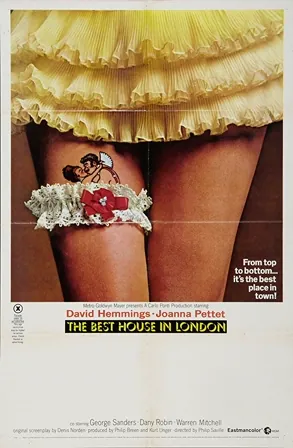
The Best House in London
Don’t tell our beloved Queen Victoria, but prostitutes throng the streets of London, blocking access to tradesmen’s shops. What to do? Her Majesty’s Home Secretary has an idea: open an opulent government-run brothel and sweep the competition off the thoroughfares. Filmed with a naughty wink-wink during the Swinging Sixties, this spirited romp sets reformers, rakes and officials colliding and colluding in a buoyant plot that starts with a brawl at a League of Social Purity march and ends in a brothel housed in a Jules Verne-esque airship. Along the way, portrayals of Charles Dickens, Oscar Wilde, Elizabeth Barrett Browning, Dr. David Livingston, Lord Tennyson and more Victorian luminaries add to the fun. David Hemmings (Blow-Up) plays dual roles: an earnest supporter of a home for wayward girls and the scheming manager of the official brothel. And George Sanders (All About Eve) is perfectly pompous as an aging roué.