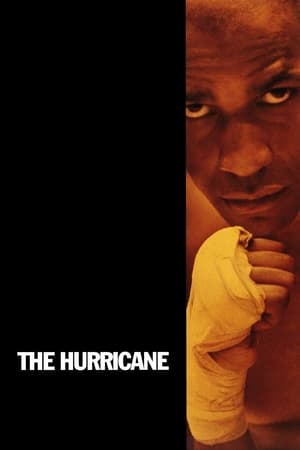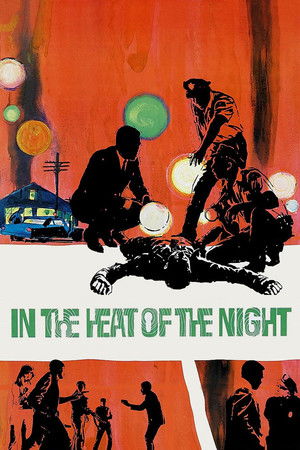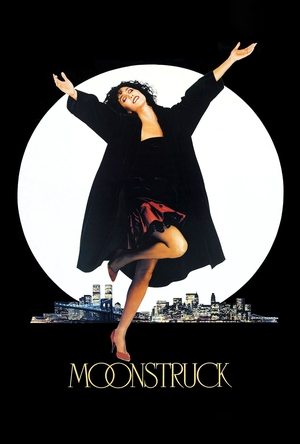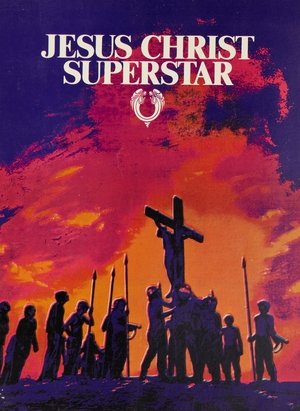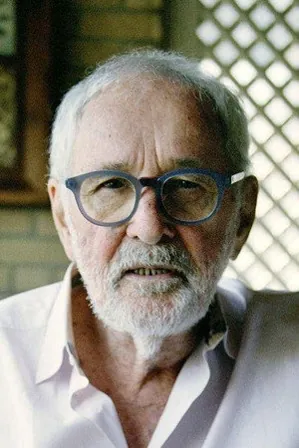
Norman Frederick Jewison, CC, O.Ont (July 21, 1926 - January 20, 2024) was a Canadian film director, producer, actor and founder of the Canadian Film Centre. Highlights of his directing career include In the Heat of the Night (1967), The Thomas Crown Affair (1968), Fiddler on the Roof (1971), Jesus Christ Superstar (1973), Moonstruck (1987), The Hurricane (1999) and The Statement (2003). Jewison addressed important social and political issues throughout his directing and producing career, often making controversial or complicated subjects accessible to mainstream audiences.
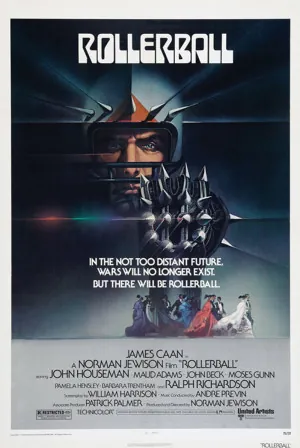
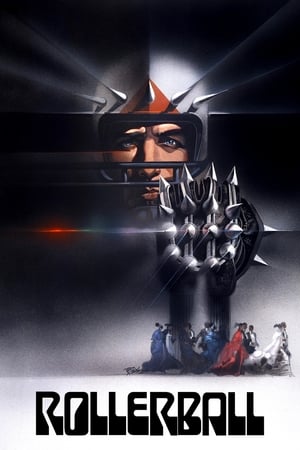
Rollerball
In 2018, Jonathan E. is the team captain and veteran star of the Houston Rollerball team. He has become the sport's most recognizable and talented player. After another impressive performance against Madrid, Mr. Bartholomew, chairman of the Energy Corporation, whose headquarters is Houston, announces that Jonathan will be featured in a "multivision" broadcast about his career. Bartholomew tells Jonathan that he wants him to retire. He offers the Rollerballer a lavish retirement package if Jonathan makes the announcement during the special. He then preaches the benefits of corporate-run society and the importance of respecting executive decisions, never explaining exactly why he must retire. Jonathan refuses, and requests to see his former wife Ella, who had been taken from him some years earlier by a corporate executive who wanted her for himself. Suspicious of a forced retirement, Jonathan goes to a library and asks for books about the corporations and history. He finds that all books have been digitized and "edited" to suit the corporations, and are now stored on supercomputers at large protected corporate locations. Cletus, Houston's former coach who brought Jonathan along and helped make him a superstar, is now an Energy executive as well as Jonathan's friend. He warns him that the Executive Committee is afraid of him, though he cannot learn why people so powerful would be afraid of a Rollerballer, even the best player in the world. Rollerball soon degrades into senseless violence as the rules are changed just to force Jonathan out. Houston's semi-final game against Tokyo has no penalties and only limited substitutions. The brutality of the match kills several players, including Houston's lead biker, Blue. Jonathan's best friend and teammate, Moonpie, is targeted by three Tokyo skaters and rendered unconscious. Despite the violence, Houston is victorious and will play New York for the world championship. After the game, Jonathan is brought to a Tokyo hospital, where it is revealed Moonpie has been left in an irreversible coma by his injuries. Jonathan defies a doctor pressuring him to sign a release form to remove his teammate's life support and has Moonpie brought to Houston to receive further medical care. Bartholomew hosts an executive teleconference to discuss the game's future. They decide that the Houston – New York game will be played with no penalties, no substitutions, and no time limit in the hope that Jonathan, if he decides to play, will be killed during the game. The conference reveals why Jonathan must retire: Rollerball was conceived not only to satisfy man's bloodlust, but to demonstrate the futility of individualism. Jonathan's popularity and longevity as a player threaten this purpose. Jonathan makes his way to Geneva to access the world's central supercomputer, known as Zero. While revered as the repository of all human knowledge, Zero's memory is corrupted, which is revealed when the librarian mentions that Zero has "lost" or misplaced the entire 13th Century, wiping out for all time consequential literature including Dante's Inferno. Zero, "finds things, and loses them, and confuses itself." Jonathan's goal is to find out how the corporations make their decisions. Instead of finding an explanation, he encounters doubletalk and psychobabble from Zero, exposing the fragility, imperfections, and impermanence of volatile memory, electronic records, and digitized encyclopedic knowledge. Afterwards, Jonathan receives a visit from his former wife Ella, who has been sent to convince him to retire and to make it clear that the coming game will be "to the death." Jonathan realizes his wife's visit was set up by the Executives, and erases a long-cherished movie of the two of them, stating, "I just wanted you on my side." Jonathan decides that despite the dangers, he will play. The final match quickly loses any semblance of order that it might have had as the players are injured or killed. The crowd, ecstatic at first, gradually becomes subdued as the carnage unfolds before them and the game devolves into a gladiatorial fight. Jonathan is soon the only player left on the track for Houston, while a skater and a bikeman remain from New York. After a violent struggle in front of Mr. Bartholomew's box, Jonathan dispatches the skater and takes the ball from him. The biker charges but Jonathan counters, knocking him off his bike and down to the inside of the track. He pins the biker down and raises the ball over his head, then pauses. Refusing to kill his fallen opponent, Jonathan gets to his feet and painfully makes his way to the goal, slamming the ball home and scoring the game's only point. Jonathan skates around the track in silent victory. The coaches and fans of both teams chant his name, first softly, then louder and louder as he skates faster and faster. Mr. Bartholomew exits the arena hurriedly, possibly fearing a riot as the chant of "Jonathan! Jonathan! Jonathan!" becomes a roar. In a futuristic society where corporations have replaced countries, the violent game of Rollerball is used to control the populace by demonstrating the futility of individuality. However, one player, Jonathan E., rises to the top, fights for his personal freedom, and threatens the corporate control.