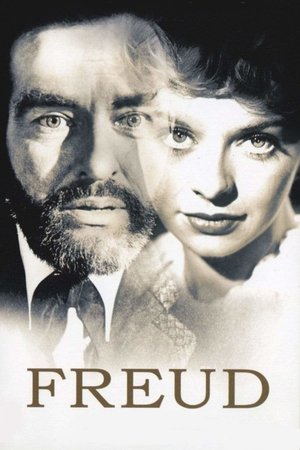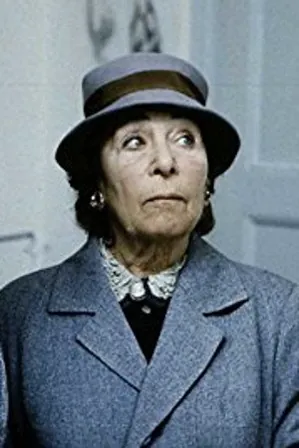
Elisabeth Neumann-Viertel, an actor known for her work in European cinema, appears in the 1962 film Freud: The Secret Passion. In this exploration of Sigmund Freud's theories, she contributes to the film's examination of psychological intricacies. Her role reflects the era's fascination with the human psyche, aligning with the film's intellectual and provocative themes. Neumann-Viertel's participation in this cult classic adds depth to the conversation surrounding psychological drama in cinema.
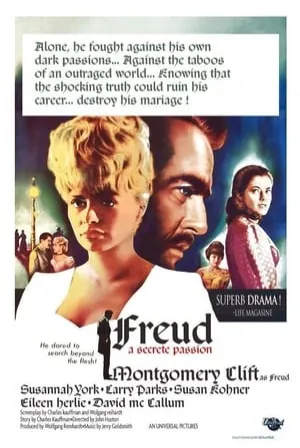
Freud: The Secret Passion
The story compresses the many years it took Sigmund Freud to evolve his psychoanalytic theories into what seems like a few months. Almost every neurotic symptom imaginable conveniently manifests itself in one (composite) patient, Cecily Koertner. She is sexually repressed, hysterical, and fixated on her father. And so Freud goes to work, developing one hypothesis after another. Also shown is Freud's home life with his wife Martha, whom he alternately discusses his theories with and patronizes when she reads one of his papers.