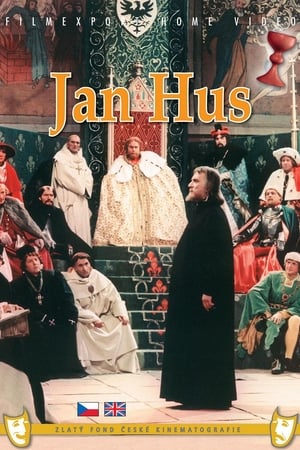
Gustav Opočenský was the son of Bohemian poet and journalist Gustav Roger of Opočenský (1881-1949). Originally, he began to study law, but after closing Nazi colleges in 1939 he headed for the theater, close to art, thanks to his father. He did not undergo any professional training, but after the war he gained his first permanent engagement in the Realistic Theater in Prague (1945-1946). Due to his unbridled inheritance, his father in the mid-1950s came into conflict with the Communist power, he had to go to the theater in Cologne from Pardubice and eventually in 1956 he banned the ban on art...
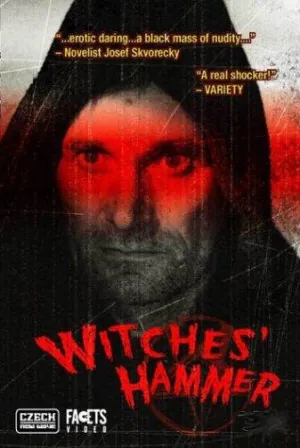
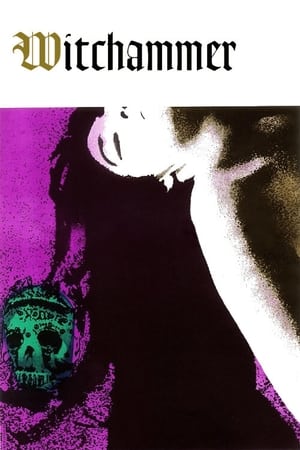
Witchhammer
A ruthless inquisitor spins the superstitions of local peasants into religious heresy, finding cause to accuse dozens of innocent men and women of witchcraft. The inquisitor targets nobles and merchants, whose property and goods are then confiscated. After suffering an array of medieval tortures, most of the accused confess—only to be burned alive at the stake as helpless villagers watch. With its bold and striking cinematography, the film captures scenes of both daring nudity and brutal torture.