Aoi Nakajima emerged in the 1970s as a compelling presence in Japanese cult cinema, most notably in Cloistered Nun: Runa's Confession (1976). In this film, she embodies the complex character of Runa, navigating a world steeped in eroticism and confinement. Nakajima's performance adds a layer of depth to the narrative, reflecting the era's fascination with the interplay of sexuality and spirituality. Her work in this film contributes to the ongoing dialogue surrounding exploitation cinema, highlighting the unique blend of artistry and taboo that defines this genre.
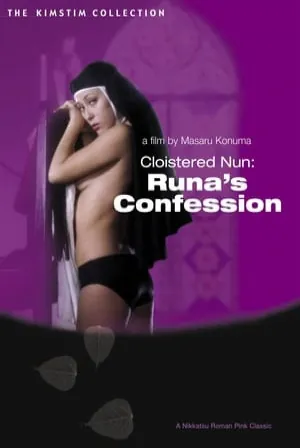
Cloistered Nun: Runa's Confession
Sisterhood is powerful. Before leaving for a mission in Africa, Runa, a nun, visits her sister three years after entering the convent when her sister stole Runa's boyfriend. Runa comes to forgive and to help her sister make enough money buying and selling some convent property so she can marry. The old boyfriend has new women in his life, but he and the sister tell Runa they're a couple in order to keep the property deal. To make even more money, Runa's sister wheedles large gifts from various men she's stringing along. There are flashbacks to Runa's sexual initiation at the convent. Has this taught meekness to Runa?