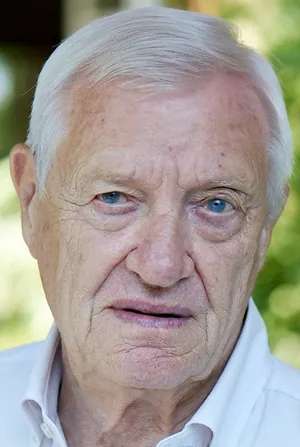
Jacques Brunet made his mark in the 1972 film The Pariah, where he brings to life the complexities of a character navigating the fringes of society. Set against a backdrop that critiques social norms, Brunet's performance captures the essence of exploitation cinema, showcasing the raw emotions and struggles of those deemed outcasts. His work in The Pariah contributes to the film's cult status, inviting audiences to reflect on themes of alienation and identity within the genre.
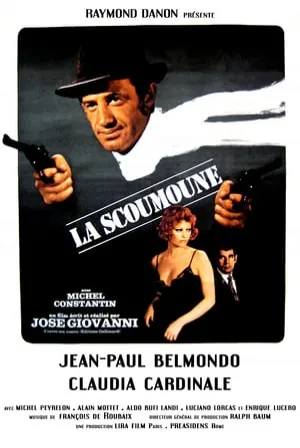
The Pariah
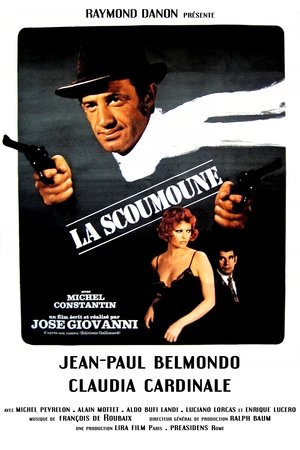
Episodic portrait of a criminal, from 1934 until after the war. Roberto Borgo is tough, cool, sardonic, loyal, and deadly. He comes to Marseilles to help his friend Xavier Saratov get out of jail, first killing a local brothel and casino boss to take over the businesses, and, with the help of Xavier's sister, Georgia, amass money for Xavier's defense. Xavier loses in court, so Roberto gets himself thrown in prison to be with his friend. Escape proves futile, but they are pardoned in exchange for working as sappers. After the war, Xavier is a bitter cripple, but Roberto remains detached, extorting ownership of a casino, which puts his friends at risk. Does he care?