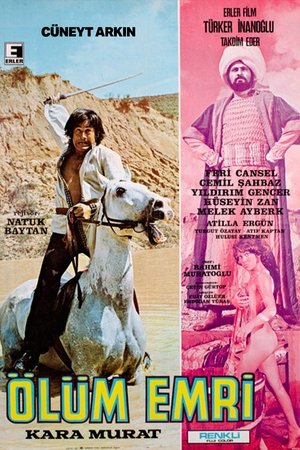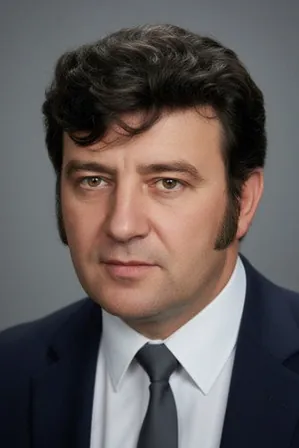
Hüseyin Zan emerged in the 1970s, making a notable appearance in Cellat (1975), where he embodies the complexities of vengeance in a morally ambiguous landscape. His role in this film showcases the raw energy and visceral storytelling characteristic of cult cinema from this era. Zan's performance contributes to the film's exploration of the darker aspects of human nature, aligning with the bold narratives that define the exploitation genre. His work remains a significant point of interest for fans of grindhouse and cult films.
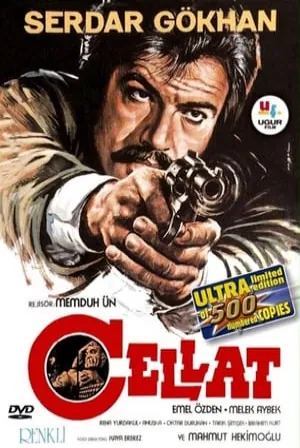
Cellat
Architect seeks revenge and becomes vigilante after group of hoodlums break into his apartment and rape his wife and sister. Cellat, the Turkish version of Death Wish, sticks fairly close plotwise to the template of the American film, with some scenes and bits of dialogue being almost identical. However, it also deviates from its inspiration at times and is at its most interesting and valuable in these little moments, providing lurid snapshots of a place and a culture. Expectedly, and true to the heroes of Turkish genre cinema, the vigilante in this film is significantly more sadistic than his stateside counterpart and devises amusing means of dispatching his targets at the end. Along the way there’s a Turkish funeral, a very welcome bellydance, and distinctive, somewhat exotic music (played over and over again at intervals) and even some tits.