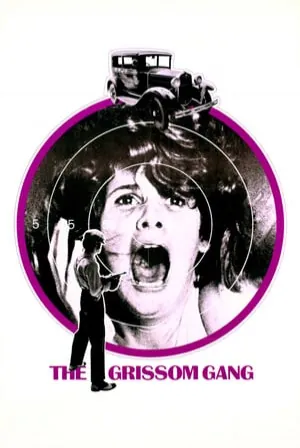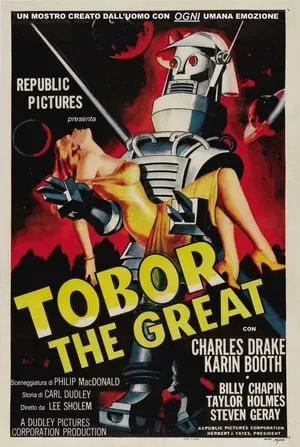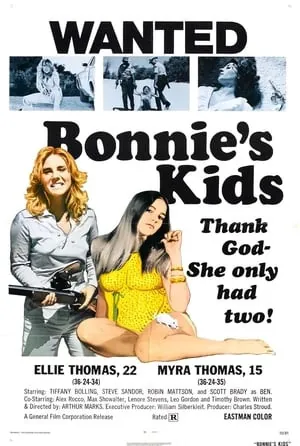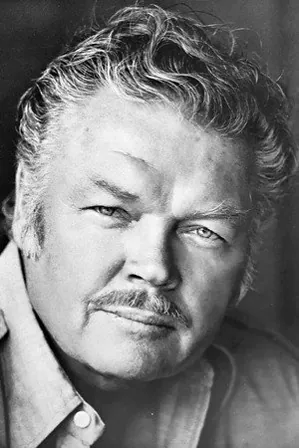
Hal Baylor, born in 1918 in San Antonio, Texas, made his mark in cult cinema with a range of memorable performances. He appeared as a key character in A Boy and His Dog (1975), a film that explores dystopian themes through a darkly comedic lens. His versatility is evident in Bonnie's Kids (1973) and Cornbread, Earl and Me (1975), where he navigates the complexities of crime and youth. With a career spanning decades, Baylor's contributions to films like Tobor the Great (1954) and The Grissom Gang (1971) solidify his place in the annals of exploitation and grindhouse cinema.
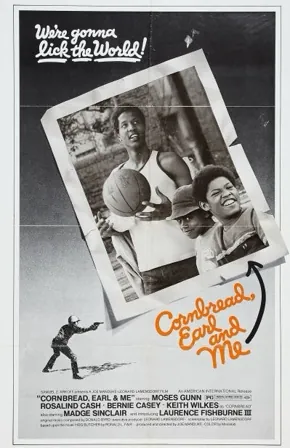
Cornbread, Earl and Me
The film focuses on three African-American youths living in an urban neighborhood. Nathaniel Hamilton (Jamaal Wilkes, credited as Keith Wilkes) is a star basketball player from the neighborhood, who also goes by the nickname of "Cornbread." In the movie, he epitomizes the dream of the neighborhood to be successful, as he is about to become the first from his district to enter college on an athletic scholarship. He is also a local hero to the much younger friends Earl Carter (Tierre Turner) and Wilford Robinson (Laurence Fishburne). The plot thickens after a pick-up basketball game ends because of a heavy rain, and all the kids run to the local store and hang out, waiting for the rain to end. All the kids leave, except for Cornbread, Earl and Wilford. Earl and Wilford get into a playful argument about how fast Cornbread can run home. It is decided that Cornbread should make it home in 25 seconds, so he runs off, after buying another soda for himself. Unknown to all of them, an assault suspect is in the neighborhood, and is dressed like Cornbread. The two police officers are hot on the suspect's trail, but lose him in the rain. As the police officers are coming out of an alleyway, they see Cornbread running by and mistake him for the suspect they're looking for. Subsequently, Cornbread is shot in the back, and dies in the middle of the street. Wilford screams hysterically, and a riot ensues. The coroner's inquest is hampered by severe police intimidation, and no one knows anything about the shooting, except for Wilford, who becomes a man on the witness stand by telling exactly what he saw, in graphic detail.