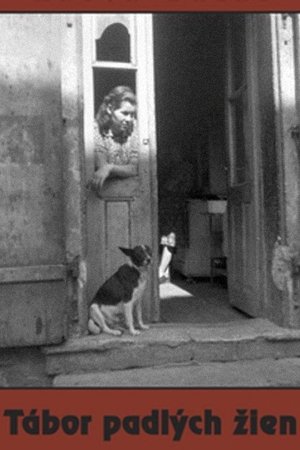
Laco Halama, a director known for his work in the late 1990s, helmed Tábor padlych zien (1998), a film that delves into the intricacies of human relationships against a backdrop of societal challenges. With a keen eye for character-driven narratives, Halama's direction brings a unique perspective to the cult cinema landscape. His work resonates with those who appreciate films that challenge conventions and provoke thought, making Tábor padlych zien a noteworthy entry in the exploration of personal and societal themes.
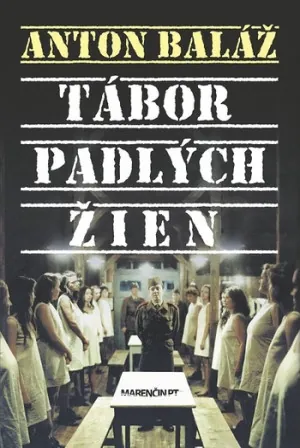
Tábor padlych zien
The story takes place in a reform-camp for the prostitutes of Bratislava. Soon after the political changes in February 1948 a deputy of the Ministry of the Interior decides to clean the city from its subverting elements. After a police raid all the prostitutes are transported to work-camps where they are supposed to be converted to loyal citizens.