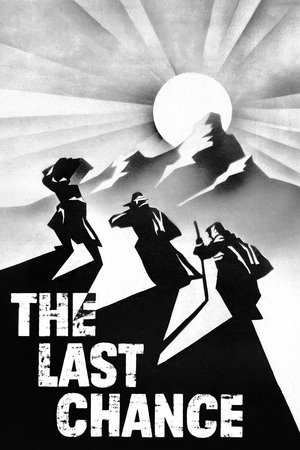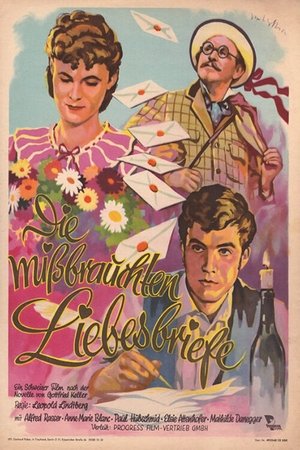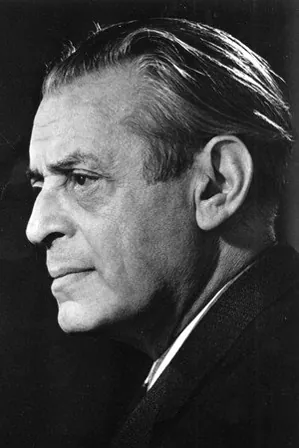
Leopold Lindtberg, a significant figure in Swiss cinema, directed and wrote The Last Chance (1945), a film that reflects the post-war anxieties of its time. His work is characterized by a blend of narrative depth and visual storytelling, making it a noteworthy entry in the realm of cult cinema. Lindtberg's ability to capture the human condition amidst turmoil resonates within the film, contributing to its lasting impact in the genre. His contributions to The Last Chance highlight the complexities of survival and morality in a fractured world.
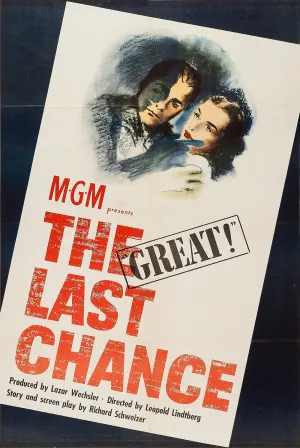
The Last Chance
Autumn, 1943. Two prisoners of war, the Englishman Lt. John Halliday and the American Sgt. James Braddock, escape in the confusion when their transport train is strafed by Allied bombers in Italy. Determined to cross the frontier into Switzerland and freedom, the two men are sheltered by peasants and discover a nation at war with itself. Although Mussolini is still in power, the Fascist government is rapidly crumbling while the Italian resistance is growing in number and power. Halliday and Jackson continue their journey to a small village where they encounter Maj. Telford, an escaped POW himself, and a group of refugees desperate to elude capture. At the behest of a noble priest who sacrifices himself to give them a head start, they embark on a perilous journey to the Swiss border, pursued by a platoon of Nazi soldiers.