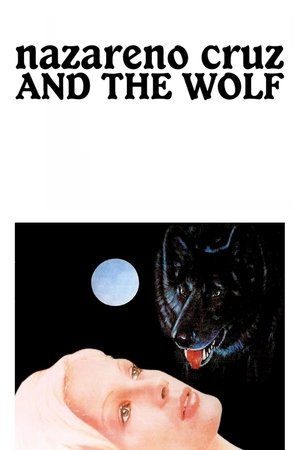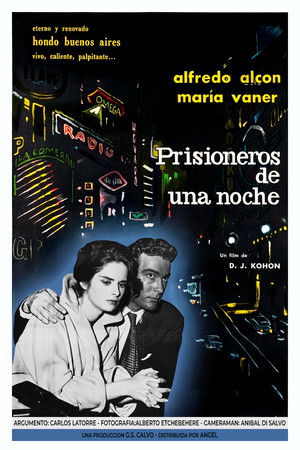
Alfredo Alcón, born in Buenos Aires, emerged as a defining figure in Argentine cinema during the 20th century. He is known for his compelling performance in Nazareno Cruz and the Wolf (1975), where he navigates the complexities of folklore and identity. With a career that spans over 50 films, Alcón's contributions to cinema reflect a deep engagement with cultural narratives, making him a vital part of the conversation around cult and exploitation cinema. His work continues to resonate within the genre, highlighting the intersection of traditional storytelling and modern cinematic techniques.

Nazareno Cruz and the Wolf
Nazareno Cruz is the seventh son of a couple living in a high mountain village. According to a myth, a seventh son will become a wolf on nights of the full moon but this doesn't occur to him. When he's older, he meets the Devil, who offers him the wealth of the world if he turns his back on his newfound love, but if he refuses, he'll become a wolf.