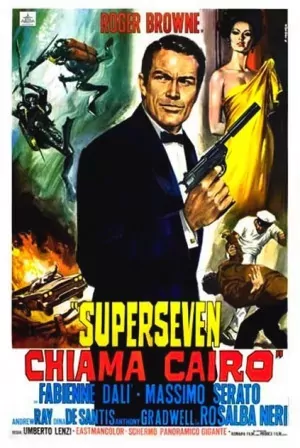
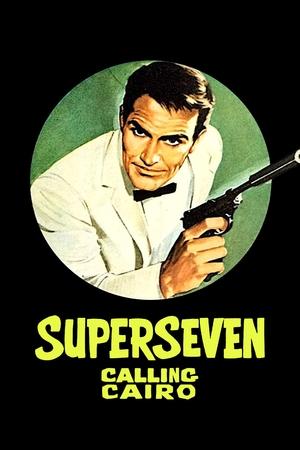
Piero Pierotti, born in Pisa, Tuscany, was a notable figure in Italian cinema during the 1960s. He directed and wrote Lost Treasure of the Incas (1964), a film that showcases his knack for dynamic storytelling within the adventure genre. Pierotti also contributed as a writer to SuperSeven Calling Cairo (1965), further solidifying his engagement with the popular cinematic trends of his time. His works reflect a vibrant exploration of adventure themes, making him a significant contributor to the cult film landscape.
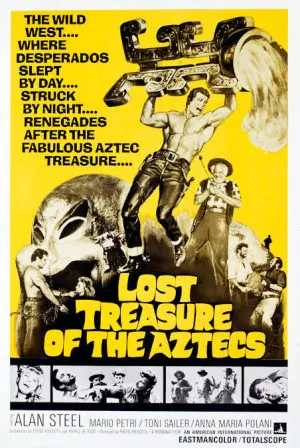
Lost Treasure of the Incas
A cowboy named William Smith tries to save his friend who has been framed for committing a murder. The two leave civilization and find themselves in mountainous territory on the trail of a hidden treasure, which is guarded by a lost Inca tribe (who are also referred to as Aztecs in the film). After the Spanish conquistadors wiped out the Aztecs in the Sixteenth Century, a small group of Aztecs managed to escape to the Arizona territory, bringing with them a vast cache of gold. They somehow built a hidden city in the desert where they lived in peace for many years until a lost map turns up and ignites a treasure hunt among two competing groups of cowboys. Mario Petri leads the bad guys who arrive at the city first before hero Alan Steel's party can get there. They enter the lost city through two golden doors built into the side of a cliff face. After the two groups try to kill each other, the Aztecs start attacking them all with arrows. When Petri finally gets possession of the treasure, he loses his mind and kills off the members of his own gang. The Aztec natives decide to sacrifice the last three surviving white men by throwing them into a river of molten gold. At the climax of the film, Alan Steel inexplicably reverts to a Hercules-like character and uses his massive strength to tear down the city just before an earthquake coincidentally destroys whatever's remaining of the place. The heroes escape in the end through the hidden city's golden doors.