Fabrice Luchini, born in Île-de-France, Paris, made his mark in the world of cinema with his role in Violette (1978). Known for his dynamic performances, Luchini brings a nuanced depth to his characters, often reflecting the complexities of human relationships. His early exposure to literature and theater shaped his artistic sensibilities, allowing him to navigate the realms of both film and stage with ease. Luchini's work in Violette exemplifies his ability to blend emotional intensity with a captivating presence, making him a significant figure in the landscape of cult cinema.
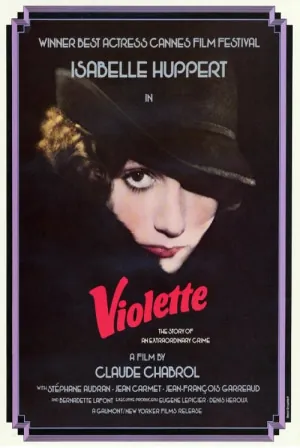
Violette
Violette Nozière (Isabelle Huppert) is a French teen in the 1930s who secretly works as a prostitute while living with her unsuspecting parents, father Baptiste Nozière (Jean Carmet) and mother Germaine Nozière (Stéphane Audran). Rebelling against her "mean and petty" petit-bourgeois parents, she falls in love with a spendthrift young man, whom she virtually supports with thefts from her parents as well as her prostitution earnings. Meanwhile, her parents are informed by Violette's doctor that she has syphilis. Violette manages to half-persuade her suspicious mother and indulgent father that she has somehow inherited the disease from them. On this pretext, she tricks them into taking "medicine" that is actually poison, killing her father; her mother, however, survives, and Violette is arrested and charged with murder. She defends herself by alleging that her father had molested her; Chabrol's abrupt use of flashbacks makes it uncertain whether Violette is simply lying or telling a half-truth. She is convicted of murder and sentenced to die by guillotine, but a voiceover at the end tells us that her sentence was commuted by degrees to the point that she ultimately left prison, married, and had five children.