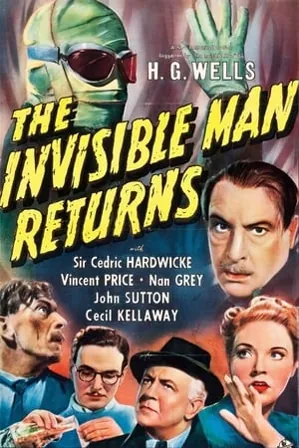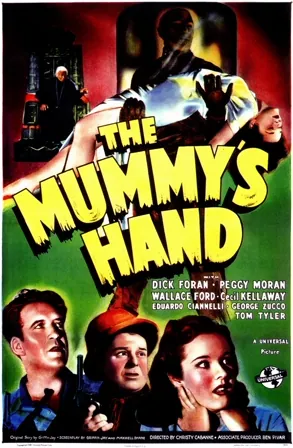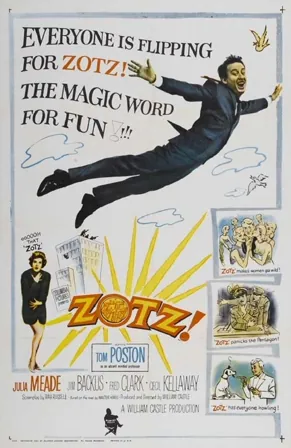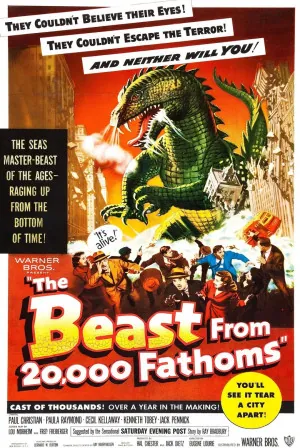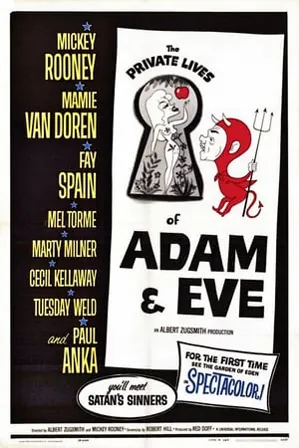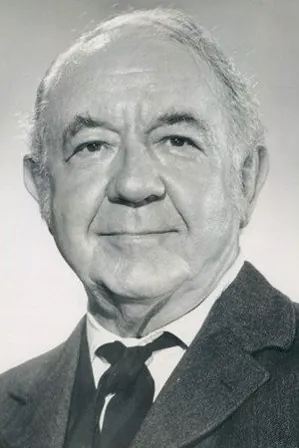
Cecil Kellaway, born in 1890 in South Africa, carved a niche as a character actor in cult cinema. His career took a pivotal turn when he landed a role in The Invisible Man Returns (1940), showcasing his ability to blend humor with horror. Kellaway's versatility is further evident in The Mummy's Hand (1940) and The Private Lives of Adam and Eve (1960), where he navigates the realms of fantasy and erotic comedy. His work in Getting Straight (1970) reflects the evolving landscape of film during the late 1960s, solidifying his status as a memorable figure in the genre.
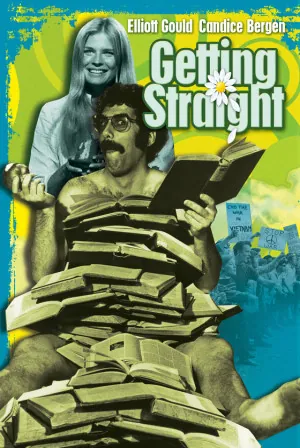
Getting Straight
Harry Bailey wants a diploma, a teaching job, and an escape from political turmoil. As demonstrations engulf the campus, pressure from students, professors, and his girlfriend forces him to decide how much conformity he can tolerate. Graduate student Harry Bailey was once one of the most visible undergraduate activists on campus, but now that he's back studying for his master's, he's trying to fly right. Trouble is, the campus is exploding with various student movements, and Harry's girlfriend, Jan, is caught up in most of them. As Harry gets closer to finishing his degree, he finds his iconoclastic attitude increasingly aligned with the students rather than the faculty. Harry Bailey, a former student activist and post-graduate, comes back to university to complete an education course to become a teacher. He tries to avoid the increasing student unrest that has surfaced, but finds this difficult as his girlfriend, Jan, is a leader in these protests. Over time, student demonstrations bring police to the campus to quell the unrest, and the ensuing clashes lead to martial law. Harry is forced to question his values in relation to this. At the height of the rioting he concurs with Jan that "getting straight" is more important than unprotesting acceptance of the educational establishment.