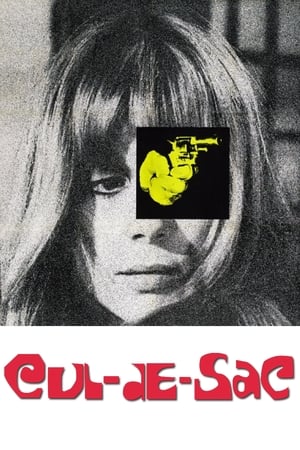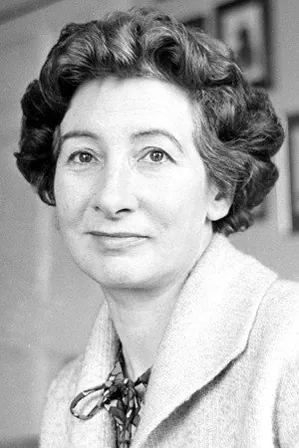
Marie Kean, born in Ireland, made her mark in the 1966 film Cul-de-sac, where she delivers a compelling performance that highlights her emotional depth. With a career that spanned over four decades, Kean became known for her strong presence on both stage and screen, earning recognition as one of Ireland's most impressive actresses. In Cul-de-sac, her portrayal adds a layer of complexity to the film's exploration of isolation and human connection, making her contribution to this cult classic significant in the landscape of British cinema.
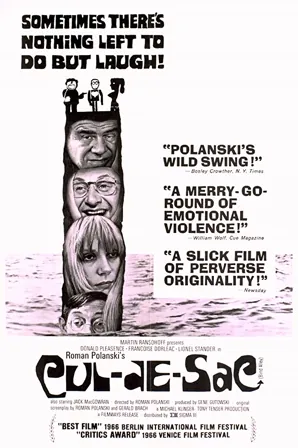
Cul-de-sac
With the taste of failure in his mouth; on the run from the police, and with a dying accomplice in his hands, the wounded brute gangster, Dickie, will eventually discover the perfect hideout: a magnificent and seemingly deserted castle by the sea, now home of the feeble ex-factory owner, George, and his frivolous French wife, Teresa. Home-invaded and forced to go along with Dickie's orders, the unlikely fellowship will wait for the next morning to get help; instead, an unexpected visit from the obnoxious Fairweathers and their friends will be, indeed, the last straw. In the end, penniless, manipulated, and on the verge of a glorious emotional breakdown, the always coward George must--for once in his life--find the courage to defend his fortress, and his remaining dignity. But, has he the strength to do it? A wounded criminal and his dying partner take refuge at a beachfront castle. The owners of the castle, a meek Englishman and his willful French wife, are initially the unwilling hosts to the criminals. Quickly, however, the relationships between the criminal, the wife, and the Englishman begin to shift in humorous and bizarre fashion.