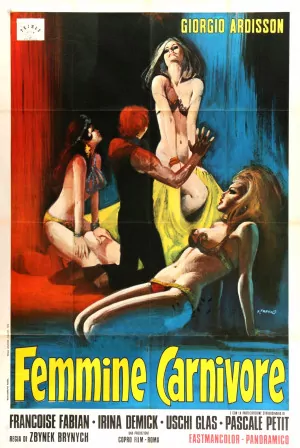
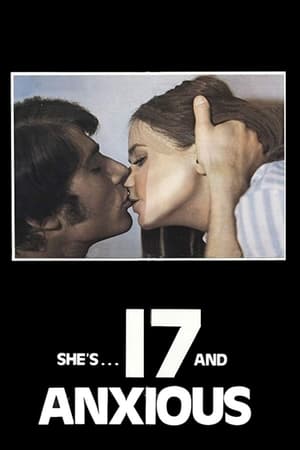
Anne-Marie Kuster emerged in the early 1970s as a notable figure in cult cinema, making her mark with roles in films like Seventeen and Anxious (1970) and Deep End (1971). In Femmine Carnivore (1970), she navigates the complex interplay of desire and danger, embodying characters that resonate with the era's exploration of sexuality and psychological depth. Kuster's performances reflect the raw energy of the grindhouse aesthetic, contributing significantly to the conversation around exploitation and giallo films.
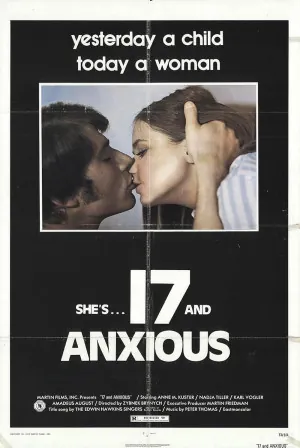
Seventeen and Anxious
A tale of coming of age for a girl in a nun’s school that takes on experimentation to all possibilities, either sex or drugs. The German Seventeen and Anxious had been also introduced as O Happy Day. The film’s alternate title is a reference to a popular gospel track, which is carried out often and con brio in the course of the action. The film’s formal title alludes towards the coming of age experienced by its youthful protagonists. The more youthful stars are environmentally friendly but eager to please, while the veterans in the supporting cast-including Nadja Tiller and Karl Michael Vogler-help make the film palatable for the people among us maybe not politely predisposed to nervous teens. The film’s roentgen status is admittedly needed, but shouldn’t recommend that the film is overtly unpleasant. Sadly, Anxious and Seventeen represents the next-to-last movie work for its skilled director, Zbynek Brynych. “Anna – a girl from a good family, studying at the prestigious Christian college where she drove the and brings a personal chauffeur. But like all teenagers, she dreams of a big and pure love. However, the kind of love she has, that’s just a nice guy Robert is ready to talk with his girlfriend about football, about books, about his work, which got barely out of college, not only that Anna would like to hear. In desperation from a misunderstanding boyfriend girl tries to discover the pleasures of the adult world and goes to Munich haunts of vice …”