Jean Amos delivers a striking performance in Let Joy Reign Supreme (1975), showcasing the absurdity and chaos of political power. While little is known about his background, his role in this cult classic reflects the unique blend of humor and critique that defines the film. The 1970s were a pivotal time for exploitation cinema, and Amos's contribution adds depth to the film's exploration of societal themes, making it a noteworthy entry in the genre.
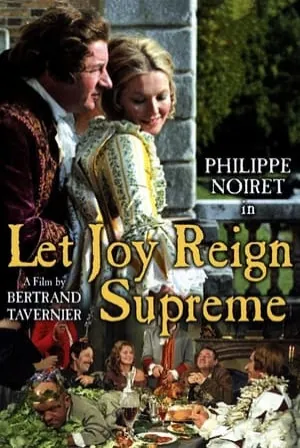
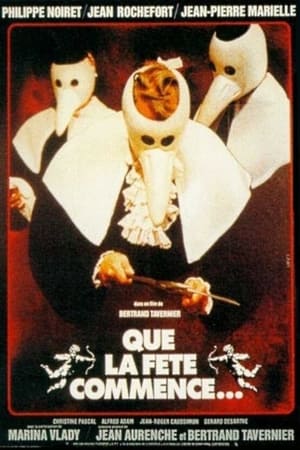
Let Joy Reign Supreme
In France in 1719, Philippe II, Duke of Orléans is the regent for the young Louis XV. He is sophisticated, gentle, a liberal and a libertine. He endeavours to keep his subjects cultured and happy—mainly to stop the peasants from rising up—but he knows he has no real royal authority. To assist him, Philippe enlists the aid of an atheistic and venal priest named Guillaume Dubois, another libertine who does not care for anyone except himself. The film begins with the gruesome autopsy of Marie Louise Élisabeth d'Orléans, Duchess of Berry, elder daughter of the Regent who died on 21 July 1719, her health fatally ruined by her debauched life and a series of clandestine pregnancies. Notoriously promiscuous, Joufflotte ("chubby")—as she was nicknamed because of her generous proportions—was rumoured to have committed incest with her father. The autopsy reveals that the Rubenesque princess was again pregnant. Philippe is very much affected by her death. Meanwhile, a rebellion led by a Breton squire named Pontcallec occurs. Philippe's natural idealism is further shaken when he is forced to execute Pontcallec's band of revolutionaries. Dubois, however, tries to take advantage of the revolt and subsequent famine to become archbishop. It becomes apparent that true joy will only be found when the peasants successfully overthrow the aristocrats who have held them down for so long. The film provides a description of 18th century life at court, and features the music of the real Philippe d'Orléans.