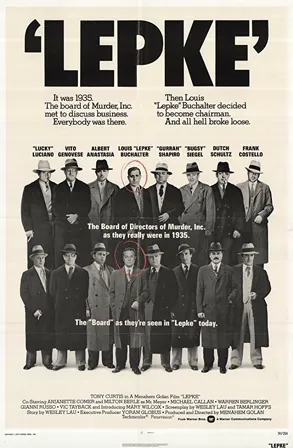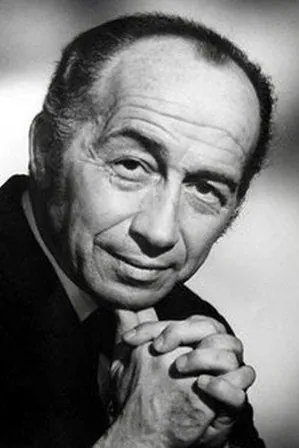
Born in 1918, Johnny Silver emerged from the vibrant theater scene to make his mark in film. He appears in Hammer (1972), where his performance adds a layer of intrigue to the gritty narrative of exploitation cinema. In Lepke (1975), he further showcases his range, embodying a character that navigates the treacherous underworld of organized crime. Silver’s contributions to these films highlight the intersection of talent and the cult film genre, making him a noteworthy figure in the realm of grindhouse cinema.
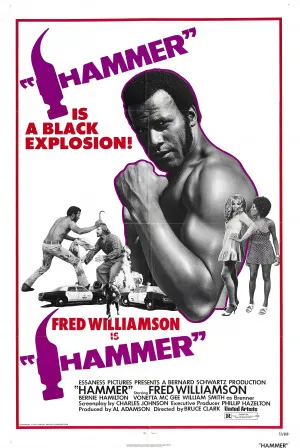
Hammer
Hotheaded laborer B.J. Hammer can't go long without ending up in a fight, and, after he comes out on top in a particularly impressive workplace scuffle, word of his brawling skills makes its way to Davis, a top boxing manager. Hammer is hired by Davis and begins a lucrative career in the ring, only to find out that his new employer wants him to throw a fight and take part in other illicit activities. Hammer reacts to this news violently, and the feud is on. B.J. Hammer is a boxer who rises up the ranks with help from the Mafia. However, Hammer doesn't realize that the help comes with a price: He is asked to throw a fight. Gangsters threaten to harm his girlfriend in an attempt to force him to go through with their plan. Hammer is forced to figure out a way to save his dignity and the life of his girlfriend when she is kidnapped by the gangsters.