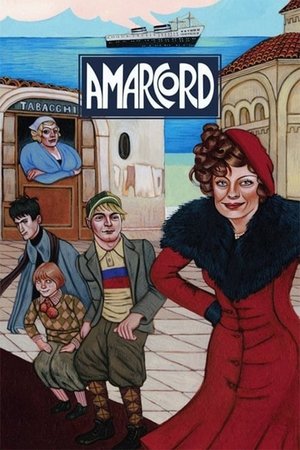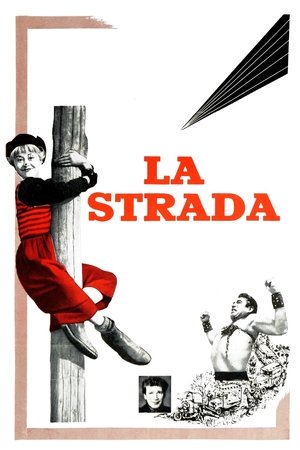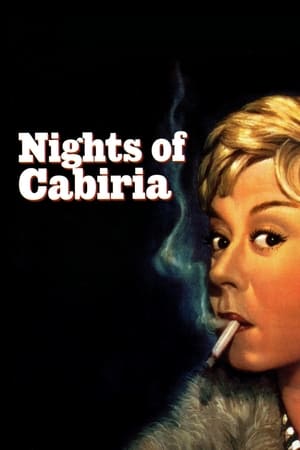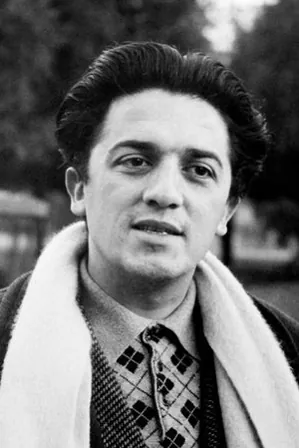
Federico Fellini, Knight Grand Cross (January 20, 1920 – October 31, 1993), was an Italian film director and screenwriter. Known for a distinct style that blends fantasy and baroque images, he is considered one of the most influential and widely revered filmmakers of the 20th century. Personal and highly idiosyncratic visions of society, Fellini's films are a unique combination of memory, dreams, fantasy, surrealism and desire. The adjectives "Fellinian" and "Felliniesque" are "synonymous with any kind of extravagant, fanciful, even baroque image in the cinema and in art in general". In a ca...
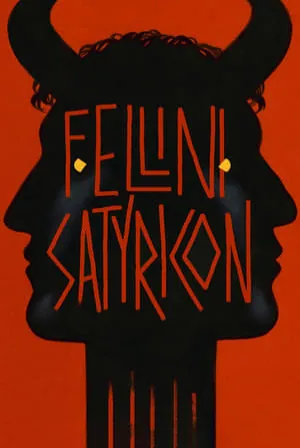
Fellini Satyricon
The film opens on a graffiti-covered wall with Encolpius lamenting the loss of his lover Gitón to Ascyltus. Vowing to win him back, he learns at the Thermae that Ascyltus sold Gitón to the actor Vernacchio. At the theatre, he discovers Vernacchio and Gitón performing in a lewd play called the "emperor's miracle": a slave's hand is axed off and replaced with a gold one. Encolpius storms the stage and reclaims Gitón. On their return to Encolpius's home in the Insula Felicles, a Roman tenement building, they walk through the vast Roman brothel known as the Lupanare, observing numerous sensual scenes. They fall asleep after making love at Encolpius's place. Ascyltus sneaks into the room, waking Encolpius with a whiplash. Since both share the tenement room, Encolpius proposes they divide up their property and separate. Ascyltus mockingly suggests they split Gitón in half. Encolpius is driven to suicidal despair, however, when Gitón decides to leave with Ascyltus. At that moment, an earthquake destroys the tenement. Encolpius meets the poet Eumolpus at the art museum. The elderly poet blames current corruption on the mania for money and invites his young friend to a banquet held at the villa of Trimalchio, a wealthy freeman, and his wife Fortunata. Eumolpus's declamation of poetry is met with catcalls and thrown food. While Fortunata performs a frantic dance, the bored Trimalchio turns his attention to two very young boys. Scandalized, Fortunata berates her husband, who attacks her then has her covered in gizzards and gravy. Fancying himself a poet, Trimalchio recites one of his finer poems whereupon Eumolpus accuses him of stealing verses from Lucretius. Enraged, Trimalchio orders the poet to be tortured by his slaves in the villa's huge kitchen furnace. The guests are then invited to visit Trimalchio's tomb where he enacts his own death in an ostentatious ceremony. The story of the Matron of Ephesus is recounted, the first story within a story in the film.[5] Encolpius finally leaves the villa, helping the limping, beaten Eumolpus to drink water from a pool in a tilled field. In return for his kindness, Eumolpus bequeaths the spirit of poetry to his young friend. The next morning Encolpius, Gitón, and Ascyltus are imprisoned on the pirate ship of Lichas, a middle-aged merchant; they are part of a consignment of attractive young men being delivered for the titillation of the reclusive Roman emperor. Lichas selects Encolpius for a Greco-Roman wrestling match and quickly subdues him. Smitten by his beauty, Lichas takes Encolpius as his spouse in a wedding ceremony blessed by his wife, Tryphaena. After a long voyage the ship arrives at the emperor's private island, only to find it overrun by soldiers in the service of a usurper. The teenage emperor kills himself, and the soldiers board the ship and behead Lichas under Tryphaena's satisfied gaze. While "new Caesar" holds a fearsome victory parade back in Rome, Encolpius and Ascyltus escape the soldiers and make their way inland. They discover an abandoned villa, whose owners have freed their slaves and committed suicide to escape the new emperor. Encolpius and Ascyltus spend the night on the property and make love with an African slave girl who has stayed behind. Fleeing the villa when soldiers on horseback arrive in the courtyard to burn the owners' corpses, the two friends reach a desert. Ascyltus placates a nymphomaniac's demands in a covered wagon while Encolpius waits outside, listening to the woman's servant discuss a hermaphrodite demi-god reputed to possess healing powers at the Temple of Ceres. With the aid of a mercenary, they kill two men and kidnap the hermaphrodite in the hope of obtaining a ransom. Once exposed to the desert sun, however, the hermaphrodite sickens and dies of thirst. Enraged, the mercenary tries to murder his two companions but is overpowered and killed. Captured by soldiers, Encolpius is released in a labyrinth and forced to play Theseus to a gladiator's Minotaur for the amusement of spectators at the festival of Momus, the God of Laughter. When the gladiator spares Encolpius's life because of his well-spoken words of mercy, the festival rewards the young man with Ariadne, a sensual woman with whom he must copulate as the crowd looks on. Impotent, Encolpius is publicly humiliated by Ariadne. Eumolpus offers to take him to the Garden of Delights where prostitutes are said to effect a cure for his impotence but the treatment—gentle whipping of the buttocks—fails miserably. In the second of the stories within a story in the film, the owner of the Garden of Delights narrates the tale of Oenothea to Encolpius. For having rejected his advances, a sorcerer curses a beautiful young woman: she must spend her days kindling fires for the village's hearths from her genitalia. Inspired, Encolpius and Ascyltus hire a boatman to take them to Oenothea's home. Greeted by an old woman who has him drink a potion, Encolpius falls under a spell where his sexual prowess is restored to him by Oenothea in the form of an Earth Mother figure and sorceress. When Ascyltus is murdered in a field by the boatman, Encolpius decides to join Eumolpus's ship bound for North Africa. But Eumolpus has died in the meantime, leaving as his heirs all those willing to eat his corpse. Encolpius hasn't the stomach for this last and bitter mockery but is nonetheless invited by the captain to board the ship. In a voice-over, Encolpius explains that he set sail with the captain and his crew. His words end in mid-sentence, as does Petronius's book, when a distant island appears on the horizon and the film cuts abruptly to frescoes of the film's characters on a crumbling wall.