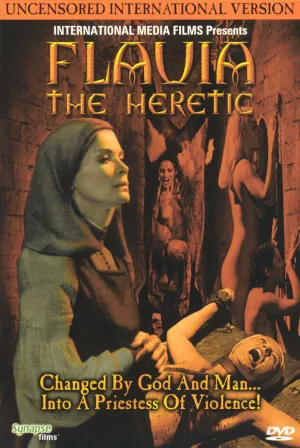
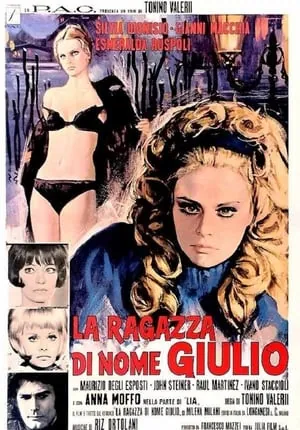
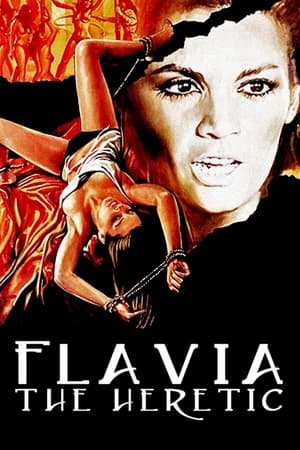
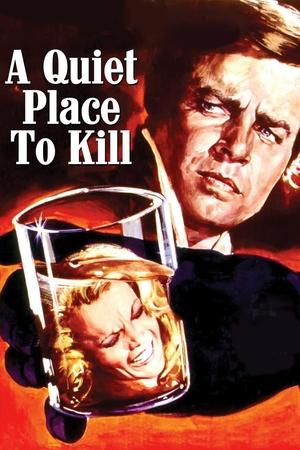
Bruno Di Geronimo emerged as a notable writer in the early 1970s, contributing significantly to the cult film landscape. His work on A Quiet Place to Kill (1970) and A Girl Called Jules (1970) showcases his flair for blending suspense with provocative themes. Di Geronimo's narratives often explore the complexities of human relationships against a backdrop of tension, as seen in Flavia, the Heretic (1974), where he crafts a tale of rebellion and desire. His contributions to films like The Weapon, the Hour, the Motive (1972) further solidify his role in shaping the genre's distinctive voice.
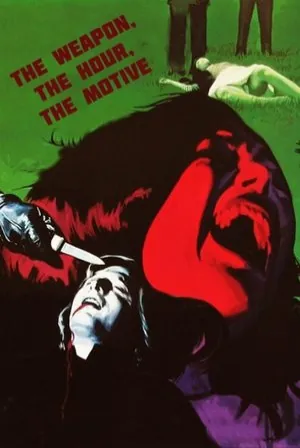
The Weapon, the Hour, the Motive
Don Giorgio, a handsome young priest and teacher in a convent, is involved with two lovers: Orchidea and Giulia. When he repents and vows to return to the Church, he is savagely beaten to death. Not long after, Giulia has her throat slashed. Inspector Boito falls in love with and prepared to marry Orchidea, who is also the main suspect. The key to solving the case seems to lie with an inquisitive boy called Ferruccio, who is kept locked up and drugged. He witnessed one of the murders, but will anyone believe his story?