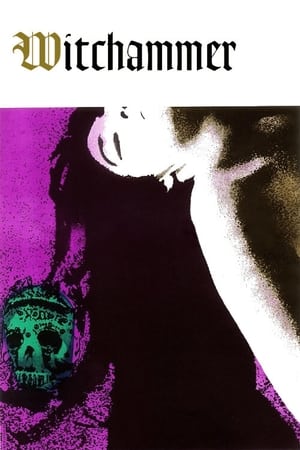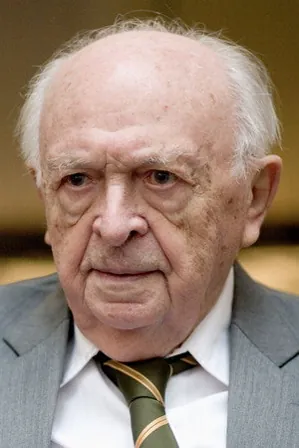
Otakar Vávra, born in 1911 in Czechia, was a significant director and writer known for his contributions to Czech cinema. His film Witchhammer (1970) stands out as a critical exploration of the witch trials, reflecting the socio-political climate of his time. Vávra's work often intertwined historical narratives with contemporary issues, showcasing his ability to adapt to changing regimes while maintaining a distinct voice. His legacy in cult cinema is marked by his innovative storytelling and the bold themes he tackled.
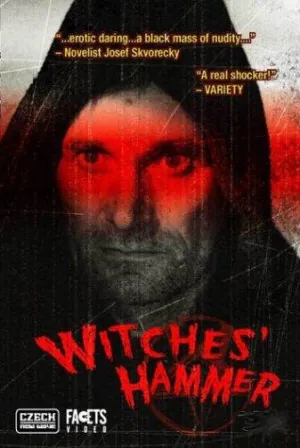
Witchhammer
A ruthless inquisitor spins the superstitions of local peasants into religious heresy, finding cause to accuse dozens of innocent men and women of witchcraft. The inquisitor targets nobles and merchants, whose property and goods are then confiscated. After suffering an array of medieval tortures, most of the accused confess—only to be burned alive at the stake as helpless villagers watch. With its bold and striking cinematography, the film captures scenes of both daring nudity and brutal torture.