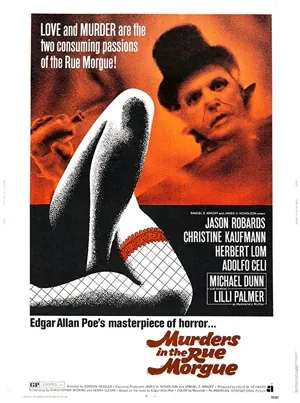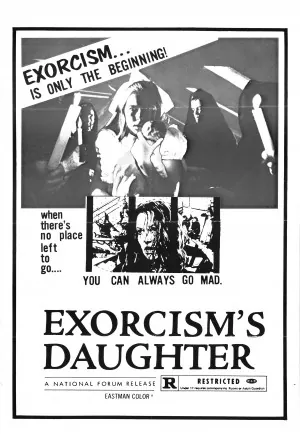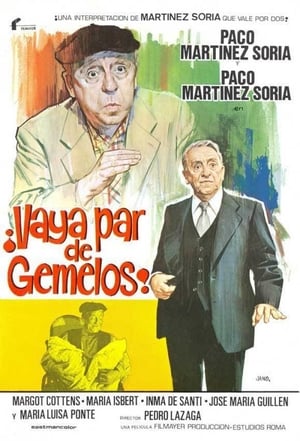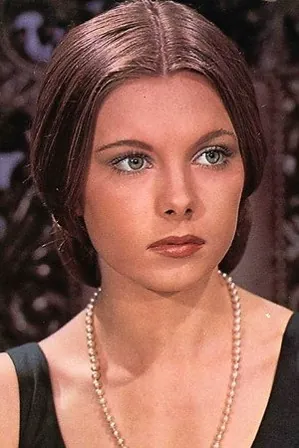
Inma de Santis emerged in the early 1970s as a notable figure in the realm of cult cinema. She plays a pivotal role in Exorcism's Daughter (1971), where her performance adds depth to the film's exploration of supernatural themes. In the same year, she appeared in Murders in the Rue Morgue (1971), contributing to the film's blend of horror and mystery. De Santis further solidified her place in the genre with The Killer of Dolls (1975), a film that exemplifies the era's fascination with the macabre and the bizarre.
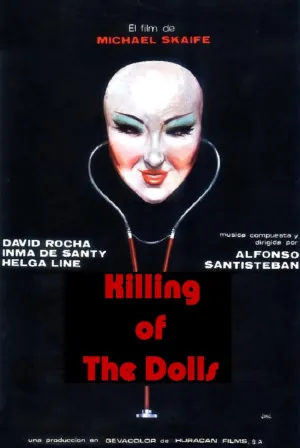
The Killer of Dolls
When his grounds keeper parents go on vacation, a troubled young man fends off the advances of a lascivious Countess while romancing her virginal daughter on a large rural estate… Made in Spain during Franco’s regime, this lop-sided “Lady Chatterly’s Lover” may sound like soft-core soap opera but the gardener’s son, Paul, hates lovemaking and dons a porcelain doll’s mask to murder any woman he catches in the act. The killer’s identity is revealed early on with reasons going back to childhood so what suspense there is comes from wondering how the romantic complications could possibly turn out well. Complicating matters is a mixed-message homo-eroticism with the slightly effeminate anti-hero constantly cavorting in either tight short-shorts or his underwear when he isn’t in a bed, bath, or shower and his only friend is a like-minded little boy who goes missing, of course. It’s set almost entirely in and around a lonely landed manor house with lots of mannequins, doll mutilations and cheesy hallucinations for scenery and may not be very well made but some stabbing, throat-slashing, decapitation, at-home heart surgery, and handsome Helga Liné (a European Alison Hayes) as “The Countess” make this worth a peek.