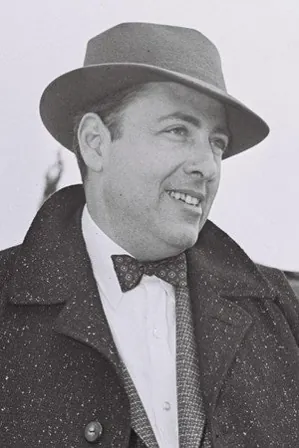
Herman Wouk, born in 1915, was an influential American writer whose work extended into the realm of film with Youngblood Hawke (1964), a cinematic adaptation of his own novel. Known for his historical fiction, Wouk's narratives often explore complex human experiences, much like the characters in cult cinema. His ability to weave intricate stories has made his work a significant touchstone for understanding the cultural landscape of the mid-20th century, bridging literature and film in a way that continues to resonate with audiences today.
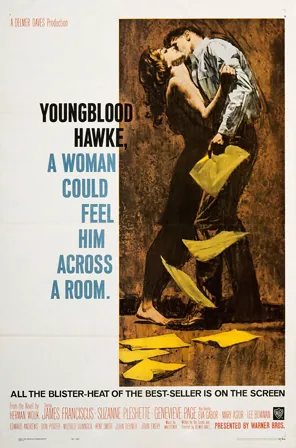
Youngblood Hawke
Arthur Hawke works as a coal truck driver in Kentucky, he in the process trying to protect his widowed mother Sarah Hawke's property rights against his wealthy and cutthroat paternal uncles' mineral rights. Sarah, however, may be more astute in the matters of business than her son. In his spare time, Arthur is writing a novel under the pen name Youngblood Hawke, it, his first, which he is able to sell to a New York publishing house. As such, Arthur moves to New York City while he works on the necessary rewrites and contemplates his next novel, which he knows can and will pour out of him. Even before that first novel, Alms of Oblivion, is published, Arthur is the toast of certain literary circles in New York. Naive to the ways of the business, he gets caught up in this new life, in having to deal with the publishers, agents, managers, lawyers, critics, theater people who want him to translate the work into a play, and movie types who want to purchase the movie rights. He has to decide.