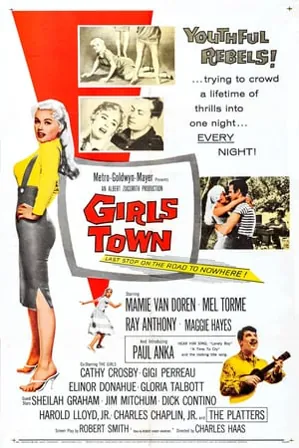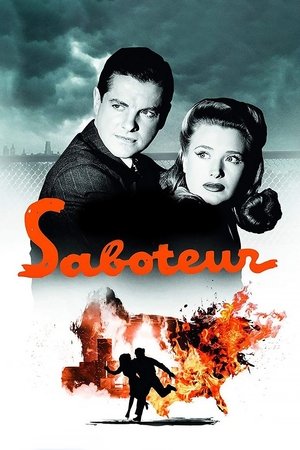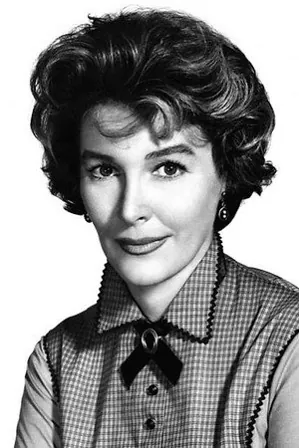
Born in 1913, Margaret Hayes emerged as a notable presence in American cinema, particularly in the 1950s and 1960s. She is best remembered for her roles in The Glass Key (1942), where she navigates the gritty underworld of crime, and House of Women (1962), where she portrays the complexities of female relationships in a reform setting. Her performances in The Beat Generation (1959) and Girls Town (1959) further cement her place in the exploitation genre, where her characters often challenge societal norms. Hayes' work contributes significantly to the conversation around cult and grindhouse cinema.
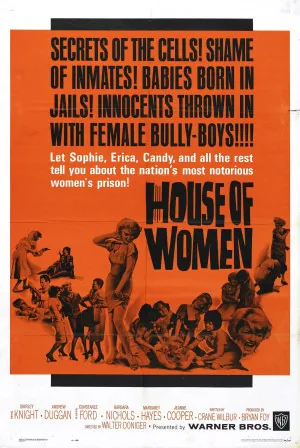
House of Women
Despite her claims of innocence, Erica Hayden, a young expectant mother, is convicted of robbery and sentenced to 5 years in a state penitentiary for women. According to the rules of the institution, she is permitted to keep her baby with her for 3 years, whereupon the child is put up for adoption if no guardian can be found to care for the child until the mother is paroled. Erica is assigned as a maid in the private residence of the sadistic warden, Cole, who falls in love with her and begins to show greater leniency toward the inmates. Erica's parole hearing and her daughter's 3rd birthday simultaneously approach, but the welfare authorities take Robin away when Erica cannot find anyone to take care of her until her almost-certain release from prison. Cole, afraid of losing Erica, blocks her parole and orders all prison children separated from their mothers. Shortly thereafter, the son of hard-boiled Sophie Brice is killed in a fall from a prison roof. Completely berserk, Sophie incites a riot and takes a parole board member as hostage. She attempts to hurl the woman from the ledge of the roof from which her son plunged, but Erica and the prison doctor restrain her and rescue the parole board member. The incident makes newspaper headlines, resulting in the expulsion of Warden Cole and the hiring of his replacement, a woman. Erica wins her parole and is reunited with her little daughter.