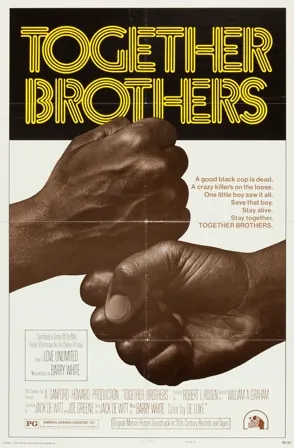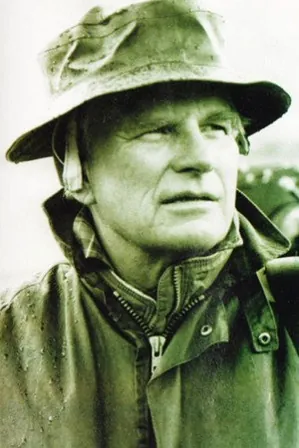
William A. Graham, an American director born in 1937, made significant contributions to cult cinema with his work in the late 1960s and 1970s. He directed Change of Habit (1969), featuring Elvis Presley in his final film role, and Honky (1971), a gritty exploration of race relations. Graham's unique vision also led to Together Brothers (1974), a film that captures the essence of the era's social dynamics. His ability to navigate complex themes within the framework of genre films solidifies his place in the cult film canon.
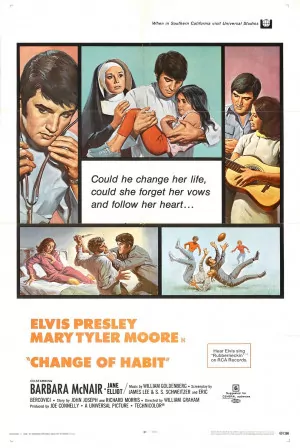
Change of Habit
Dr. John Carpenter is a physician in a ghetto clinic who falls for a co-worker, Michelle Gallagher, unaware that she is a nun. Elvis stars as a professional man for the first and only time in his career. Dr. Carpenter heads a clinic serving an underprivileged community in a major metropolis with an ethnic Puerto Rican population. He is surprised to be offered assistance by three women. Unknown to him, the three are nuns in street clothing who want to aid the community but are afraid the local residents might be reluctant to seek help if their true identities were known. The nuns are also facing opposition from the rude and arrogant priest from the local parish. Dr. Carpenter and the nuns are shown dealing with a mute but angry autistic girl, a boy with a severe speech impediment, and a man beaten by loan shark enforcers. The nuns at times are sexually harassed by loiterers. Carpenter falls for Sister Michelle Gallagher, played by wholesome Mary Tyler Moore, but Sister Michelle's true vocation remains unknown to Dr. Carpenter. She also has feelings for the doctor but is reluctant to leave the order. The film concludes with Sister Michelle and Sister Irene entering a church where Dr. Carpenter is singing to pray for guidance to make her choice.