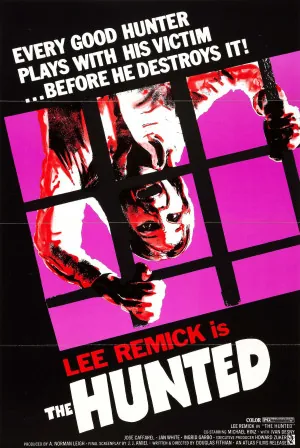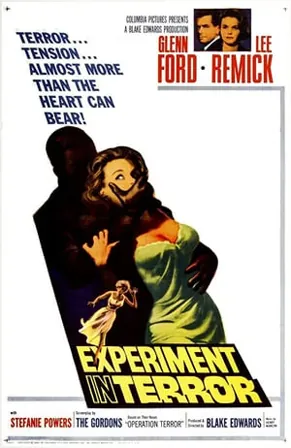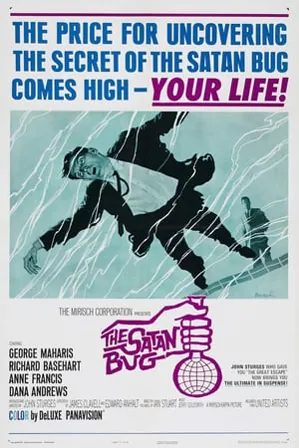
Lee Remick, born in 1935, carved a niche in American cinema with her compelling performances in the 1960s and 1970s. She delivered a haunting portrayal in Days of Wine and Roses (1962), where she navigated the complexities of addiction, and showcased her versatility in The Satan Bug (1965), a tense thriller that explored bioterrorism. Remick's ability to embody troubled characters made her a staple in cult cinema, and her roles in Experiment in Terror (1962) and The Hunted (1974) further solidified her status as a significant figure in the genre.
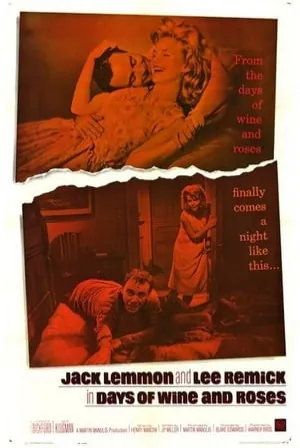
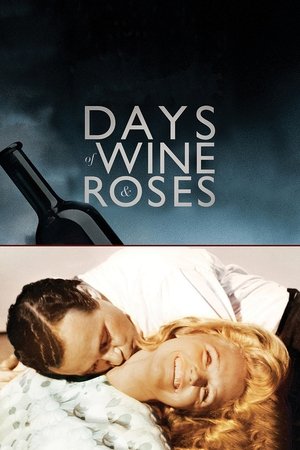
Days of Wine and Roses
Working in a public relations firm as an account executive, Joe Clay feels like he needs to drink as part of his job. But he enjoys this aspect of work. While at a client party, Joe meets his client's secretary, Kirsten Arnesen. Despite an initial dislike of Joe, Kirsten eventually goes out on date with him. She is a non-drinker who neither likes the taste of alcohol or feels the need for its effects. But based on her addiction to chocolate, Joe does start her on alcohol consumption with the chocolate-tasting Brandy Alexander. Joe and Kirsten fall in love, get married, and start a family. But as the stresses of work start to pile up, Joe's drinking increases and he pressures Kirsten into joining him to drown his sorrows. Alcohol soon becomes their main focus, and this rapidly destroys both their personal lives and Joe's professional life. Kirsten's father, hardworking nurseryman Ellis Arnesen, wants to help, specifically his daughter, but he has a difficult time forgiving Joe who introduced her to drinking. Despite Joe finally coming to the realization that alcohol is the main problem in their lives (Joe states that the reflection of a bum he saw in a window was himself), they must admit that they are indeed alcoholics and that they can never have alcohol again before they can even think of reclaiming their lives. Beyond that, they must be able to stay away from liquor, which may be impossible.