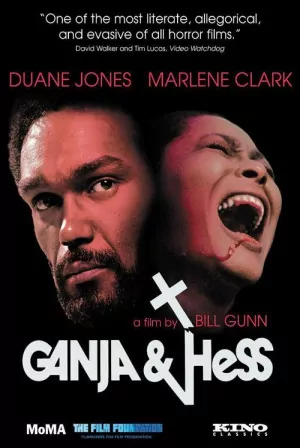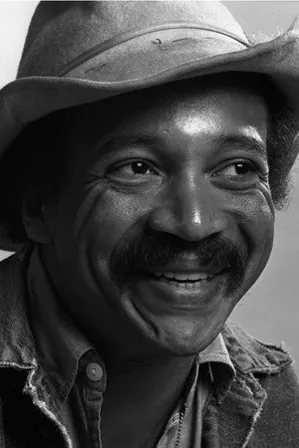
Bill Gunn, born in 1934, was a multifaceted American artist whose work in the 1970s left an indelible mark on cult cinema. He both directed and starred in Ganja & Hess (1973), a film that challenged the conventions of horror and race, solidifying his reputation as a visionary filmmaker. In addition to his groundbreaking direction, Gunn also wrote The Landlord (1970), showcasing his ability to weave complex narratives. His contributions to film and theater continue to resonate, making him a pivotal figure in the exploration of genre and identity.
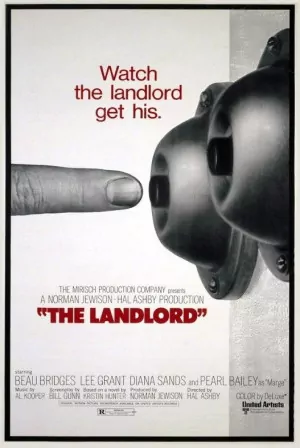
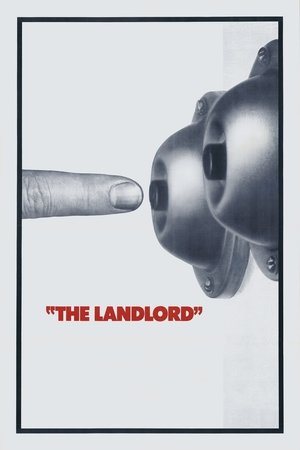
The Landlord
Elgar Enders, who lives off an allowance from his wealthy parents, buys an inner-city tenement in Park Slope, Brooklyn, which is undergoing gentrification, planning to evict the occupants and construct a luxury home for himself. However, once he ventures into the tenement, he grows fond of the low-income black residents. Enders decides to remain as the landlord, and help fix the building. He rebels against his WASP upbringing, and to his parents' dismay, romances two black women. The first is Lanie, a mixed-race dancer at a local black club. Lanie has light skin and features due to a mother of Irish descent, and a father of African descent, and has experienced colorism. Their relationship is strained, as Elgar has an affair with one of his tenants, Fanny, and gets her pregnant. Her boyfriend Copee, a black activist with an identity crisis, is enraged when he finds out about the pregnancy, and tries to kill Elgar with an axe but ultimately stops. The Enders family is shaken by their son's behavior, but reluctantly accepts him. Ultimately, Fanny gives the child up for adoption to start a new life. The story ends with Elgar’s taking custody of the child, mending his relationship with Lanie, and moving in with her.