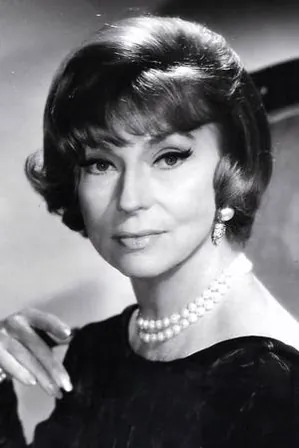
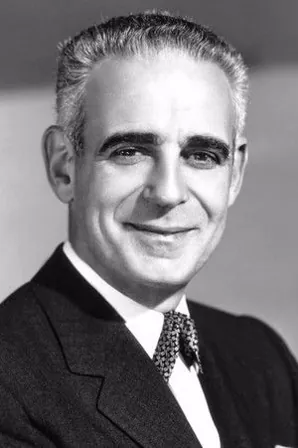
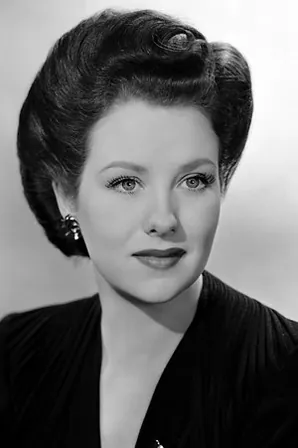
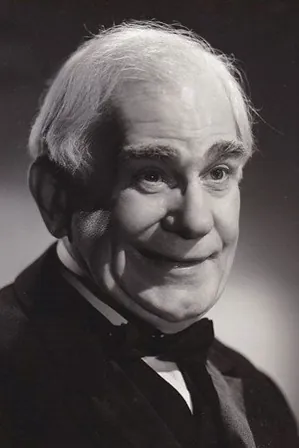
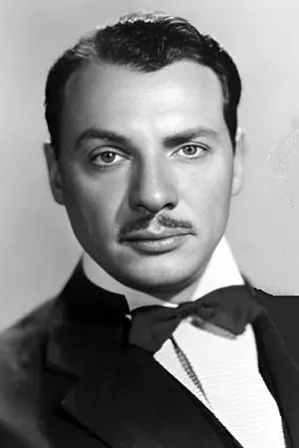
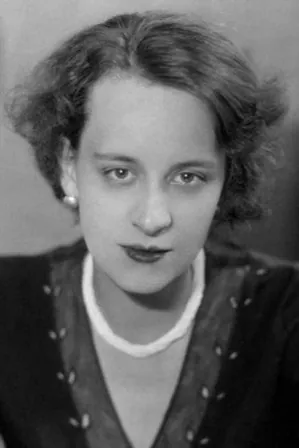
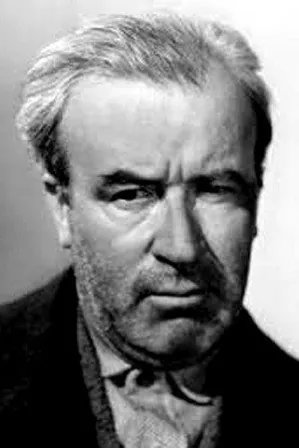
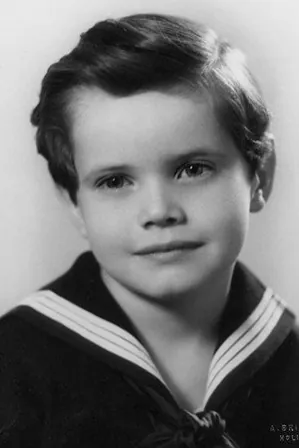
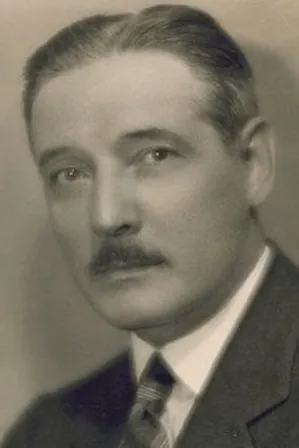
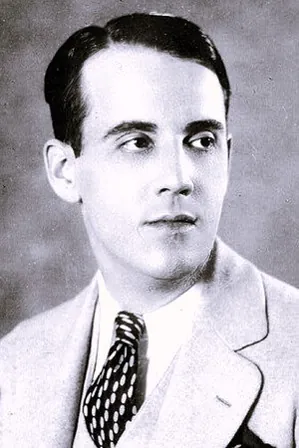
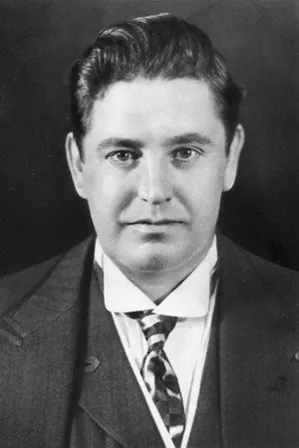
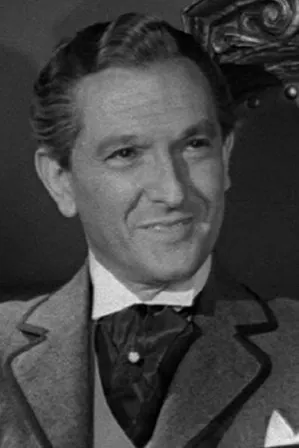
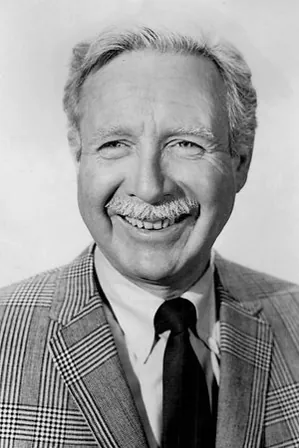
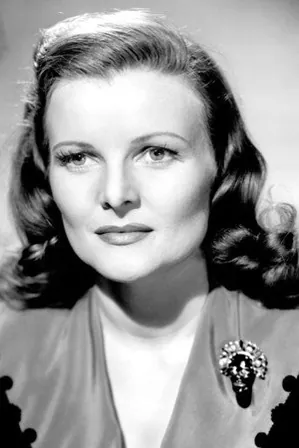
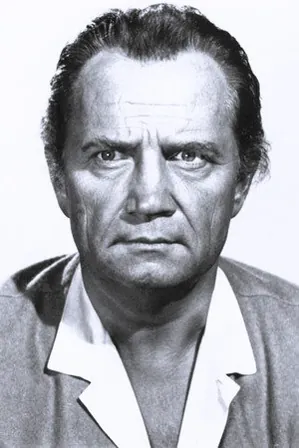
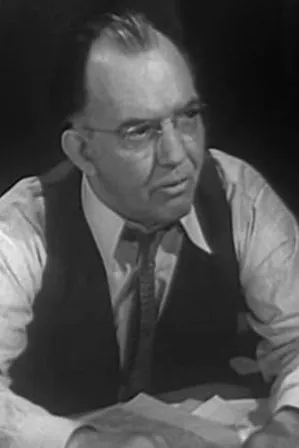
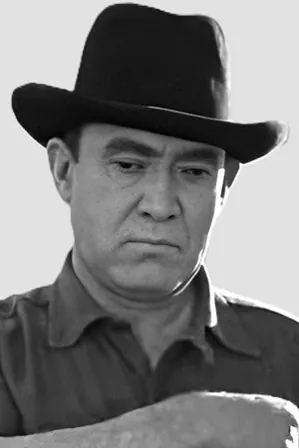
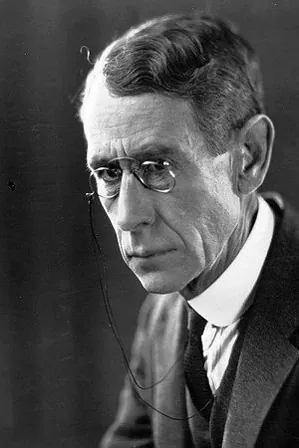
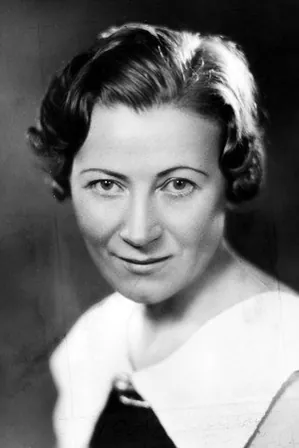
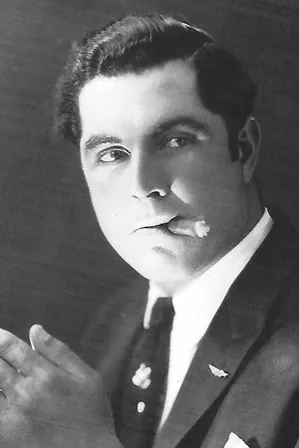
In a mansion called Xanadu, part of a vast palatial estate in Florida, the elderly Charles Foster Kane is on his deathbed. Holding a snow globe, he utters his last word, "Rosebud", and dies. A newsreel obituary tells the life story of Kane, an enormously wealthy newspaper publisher and industry magnate. Kane's death becomes sensational news around the world, and the newsreel's producer tasks reporter Jerry Thompson with discovering the meaning of "Rosebud".
Thompson sets out to interview Kane's friends and associates. He tries to approach Kane's second wife, Susan Alexander Kane, now an alcoholic nightclub owner, but she refuses to talk to him. Thompson goes to the private archive of the late banker Walter Parks Thatcher. Through Thatcher's written memoirs, Thompson learns about Kane's rise from a Colorado boarding house and the decline of his fortune.
In 1871, gold was discovered through a mining deed belonging to Kane's mother, Mary Kane. She hired Thatcher to establish a trust that would provide for Kane's education and assume guardianship of him, protecting him from his brutal father. While the parents and Thatcher discussed arrangements inside the boarding house, the young Kane played happily with a sled in the snow outside. When his parents introduced him to Thatcher and told him he would live with him, the boy struck Thatcher with his sled and attempted to run away.
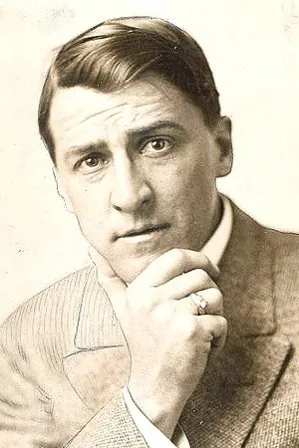
By the time Kane gained control of his trust at the age of 25, the mine's productivity and Thatcher's prudent investing had made Kane one of the richest men in the world. Kane took control of the New York Inquirer newspaper and embarked on a career of yellow journalism, publishing scandalous articles that attacked Thatcher's (and his own) business interests. Kane sold his newspaper empire to Thatcher after the 1929 stock market crash left him short of cash.
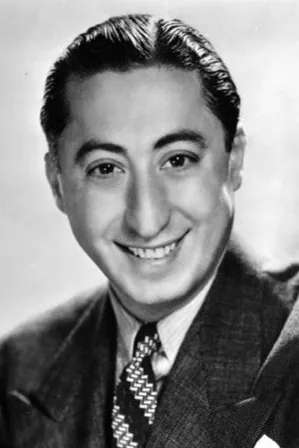
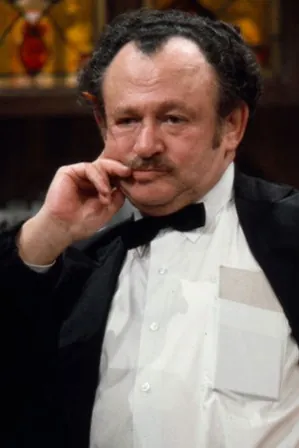
Thompson interviews Kane's personal business manager, Mr. Bernstein. Bernstein recalls that Kane hired the best journalists available to build the Inquirer's circulation. Kane rose to power by successfully manipulating public opinion regarding the Spanish–American War and marrying Emily Norton, the niece of the President of the United States.
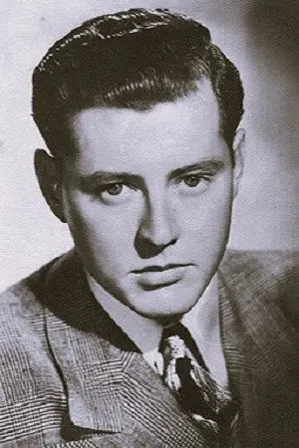
Thompson interviews Kane's estranged best friend, Jedediah Leland, in a retirement home. Leland says that Kane's marriage to Emily disintegrated over the years, despite their having a son, and he began an affair with amateur singer Susan Alexander while running for Governor of New York as a "fighting liberal". His political opponent, corrupt boss Jim W. Gettys, discovered the affair and forced Susan to write to Emily about it; and the public scandal ended Kane's political career.
Kane married Susan and forced her into a humiliating career as an opera singer (for which she had neither talent nor ambition). Kane then built a large opera house in Chicago for Susan to perform in. After Leland began to write a negative review of Susan's disastrous opera debut, Kane fired him but finished the negative review and printed it. Susan protested that she never wanted the opera career anyway, but Kane forced her to continue the season.
Susan consents to an interview with Thompson and describes the aftermath of her opera career. She attempted suicide, and Kane finally allowed her to abandon singing. After many unhappy years living at Xanadu with Kane, the two had an argument that culminated in Kane slapping Susan. Susan decided to leave Kane. Kane's butler Raymond recounts that, after Susan moved out of Xanadu, Kane began violently destroying the contents of her former bedroom. When Kane discovered a snow globe, he calmed down and tearfully said "Rosebud". Thompson concludes that he cannot solve the mystery and that the meaning of Kane's last word will remain unknown.
At Xanadu, Kane's belongings are cataloged or discarded by the mansion's staff as Thompson leaves. They find a sled, the one on which eight-year-old Kane was playing on the day he was taken from his home in Colorado, and throw it into a furnace with other items. Unknown to the staff, the sled's trade name, printed on top, becomes visible through the flames: "Rosebud". The sled's smoke rises from the chimney as the view pulls back to a sign on Xanadu's outer fence which also began the film: "No Trespassing".
In the end, it is revealed that 'Rosebud' was the name of Kane’s childhood sled, a symbol of his lost innocence and the simplicity he once knew before his rise to vast wealth and power.
The ending's reveal that 'Rosebud' refers to Kane's sled underscores the central tragedy of his life: all his wealth and influence could not reclaim the happiness and love of his childhood. The meaning of 'Rosebud' serves as a poignant commentary on the emptiness of material success when it comes at the cost of personal fulfillment and human connection. By keeping this answer hidden from the characters but revealing it to the audience, the film reflects on the unknowability of another person’s inner life.