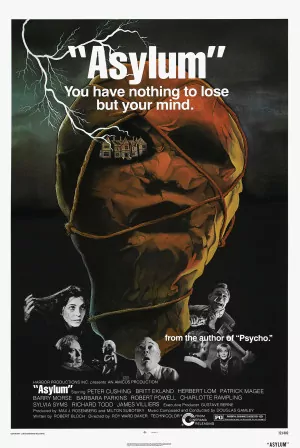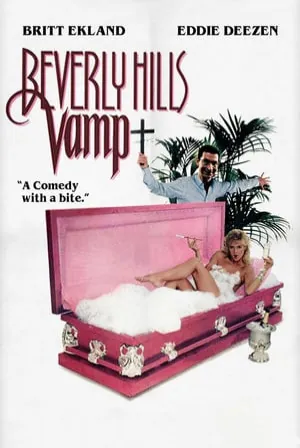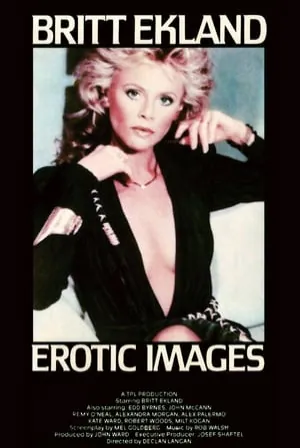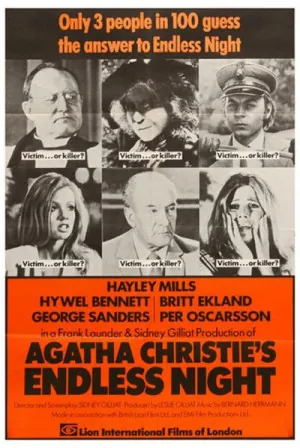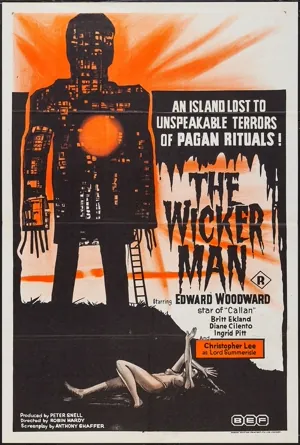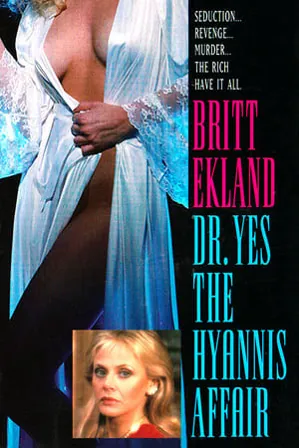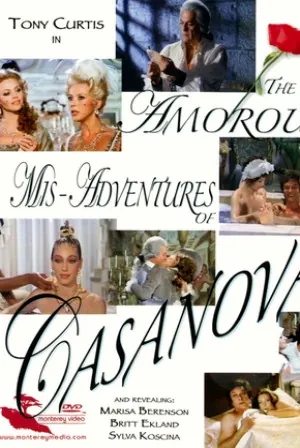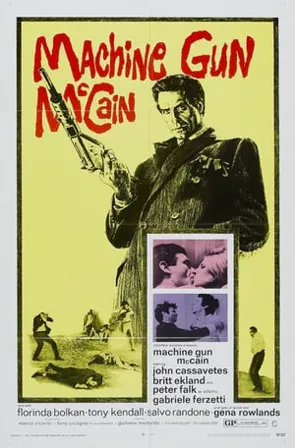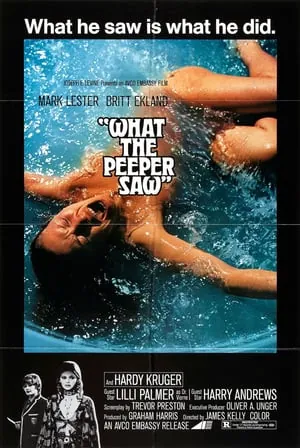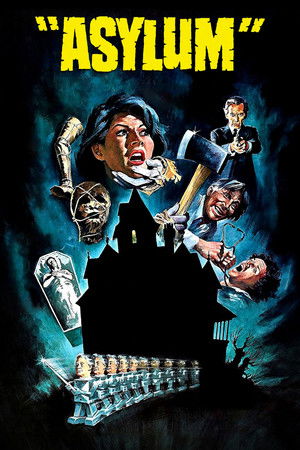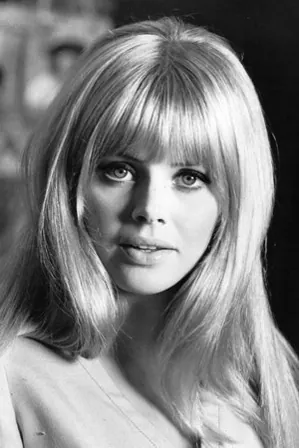
Britt Ekland, born in 1942 in Stockholm, Sweden, carved out a niche in cult cinema with her striking performances. She appears in Asylum (1972), where she navigates the eerie corridors of a mental institution, showcasing her ability to blend allure with suspense. Her role in The Year of the Cannibals (1969) further solidifies her presence in the exploitation genre, reflecting the era's provocative storytelling. With a career that spans several notable films like Machine Gun McCain (1969) and What the Peeper Saw (1972), Ekland remains a captivating figure in the world of cult and grindhouse cinema.
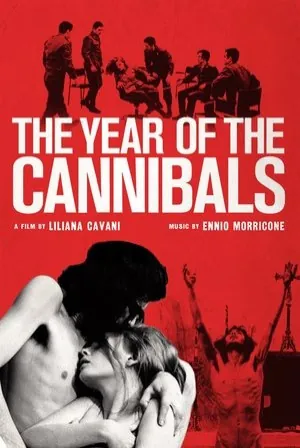
The Year of the Cannibals
The streets of the city are littered with corpses. It is the result of the repression of a protest by the police. A decree of law prohibits the removal of the bodies, under penalty of death, by supreme order of the totalitarian regime. People pass the macabre scene with indifference. Only Antigone wants to bury her brother, but neither her family, nor her fiancé - who is the son of the prime minister - will help her. She finds help from Tiresias, a mysterious stranger who speaks an unknown language. The two dedicate themselves to burying the dead and for this they are arrested and tortured; at first they manage to escape but then they are killed by the police. However, they become a symbol for many young people who, from that moment, begin to collect the corpses of the rebels to bury them. I Cannibali, third feature film by Liliana Cavani, starring a trio of excellent actors (Pierre Clementi, Britt Ekland and Tomas Milian), is a modern reinterpretation of Sophocles' tragedy, made during the protest years of 1967-69. A film that stands out for its visionary intelligence, in the context of Italian political cinema.