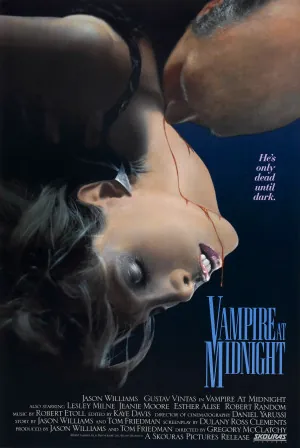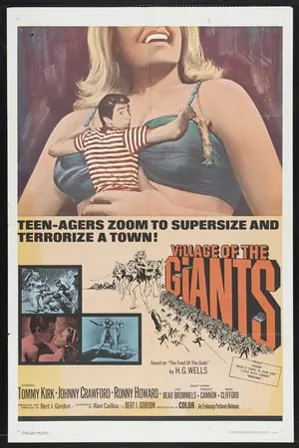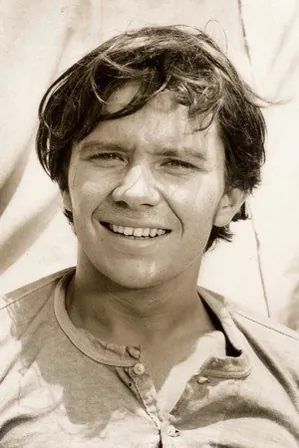
Robert Random, an actor known for his work in cult cinema, appeared in Village of the Giants (1965), where he navigated the bizarre world of oversized youth. He continued to make his mark in Tick, Tick, Tick (1970), a film that blends social commentary with thrilling elements. In Vampire at Midnight (1988), Random embraced the horror genre, showcasing his versatility across different styles. His contributions to these films highlight the charm of exploitation cinema and the enduring appeal of 1960s and 1970s genre films.
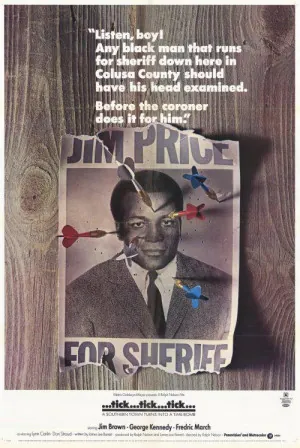
Tick, Tick, Tick
In a small Southern town, Jim Price is elected sheriff over John Little, the incumbent. Racial tensions exist in the community, and Price gets little assistance from Little, leaving office, or from Mayor Parks, who insists he be consulted on any decision the new sheriff makes. A white man, John Braddock, is arrested on a manslaughter charge after his drunken driving causes the death of a young girl. Braddock's father carries considerable influence and demands his son be freed. Price's deputy, Bradford Wilkes, is beaten by Little's former deputy, Bengy Springer. Another arrest is made, this time of a black man, George Harley, accused of rape. The townspeople's mood turns uglier by the minute, particularly when Braddock's father threatens to spring his son by force if necessary. Little's conscience gets the better of him. He agrees to become Price's new deputy. Together, they try in vain to persuade other men in town to side with them against Braddock's vigilantes and to convince the mayor to call in the National Guard for help. Alone against the mob, Price and Little form a barricade and prepare for the worst when their fellow townsmen suddenly join them in the street.