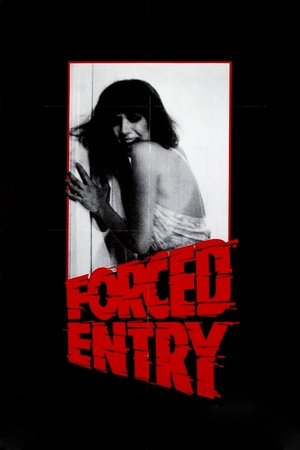
Sweet Sixteen
When Melissa Morgan (Aleisa Shirley), an attractive big-city girl, moves to a small Texas town, she creates quite a stir with her beauty and promiscuous attitude. She's 15 going on 16, and all the boys at her new school are anxious to get to know her. Suddenly, the younger brother of a local hellraiser (Don Stroud) is brutally murdered and the town sheriff (Bo Hopkins) must try to solve the murder before the killer strikes again. Along to help him is his Nancy Drew-ish daughter (Dana Kimmell). An archaeologist (Patrick Macnee, The Howling) arrives in a small town with wife (Susan Strasberg, Picnic) and daughter (Aleisa Shirley, Spacehunter) in tow. Melissa, the archaeologist’s troubled offspring, has problems adapting to the new environment. Melissa’s life really gets iffy when someone begins murdering her acquaintances. Local Sheriff Dan Burke (Bo Hopkins, American Graffiti) soon realizes that there is a link between the killings and Melissa’s upcoming 16th birthday. A beautiful lonely girl named Melissa tries to make new friends from a town she's currently living in. The only problem is, each of the boys that she spends time with end up brutally murdered. Her sixteenth birthday is on the way, but Melissa turns out to be a suspect when it seems she's the last person who has seen her boyfriends alive.