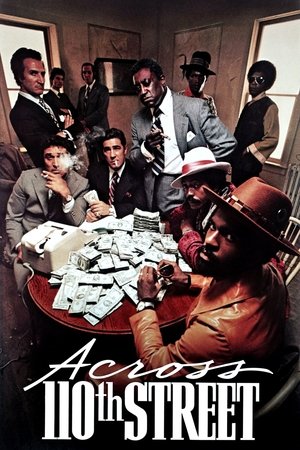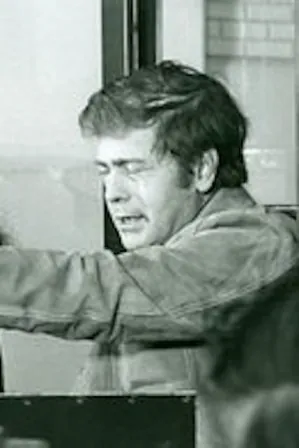
Born in 1923 in Los Angeles, Barry Shear emerged as a significant voice in cult cinema during the 1970s. He directed Across 110th Street (1972), a blaxploitation film that captures the raw energy and social issues of its time. Shear's work is marked by a commitment to authenticity and a focus on the complexities of urban life, which resonates throughout his films. His direction in Across 110th Street showcases a blend of crime drama and social commentary, solidifying his place in the genre's history.
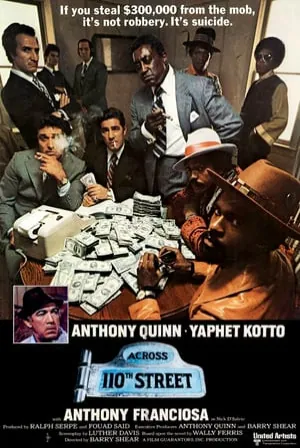
Across 110th Street
Jim Harris goes with his partners to steal $300,000 from a Mafia-controlled policy bank in Harlem, disguised as police officers. The robbery goes wrong and results in the deaths of seven men — three black gangsters, two members of the Mafia, and two police officers. Lieutenant William Pope, a strait-laced black police officer is assigned to work the case with aging Captain Frank Mattelli, a street-wise but racist Italian-American cop. Although Lieutenant Pope works strictly by the book and states that he is in charge of the investigation, he struggles to restrain Mattelli, who receives money from Doc Johnson, the leader of black organized crime in Harlem. Over the course of roughly twenty-four hours, Pope and Mattelli race to get to the criminals before they can be hunted down by the Mafia, which is also searching for Harris’ crew. The Italians are led by Nick DiSalvio, a savage capo who plans to torture the robbers, when he finds them, to deter others from trying what they did.