A bourgeois couple’s road trip dissolves into surreal chaos, satire, and carnage across the French countryside.
WEEKEND
A surreal tale of a married couple going on a road trip to visit the wife's parents with the intention of killing them for the inheritance.
Quick Answer
Weekend is a 1967 French adventure, comedy, and drama film directed by Jean-Luc Godard about a bourgeois couple whose journey to secure an inheritance devolves into a surreal and violent odyssey.
Programmer's Pick
Godard doesn’t just break the fourth wall—he cheerfully shatters it, then tosses the pieces into a surreal traffic jam. If you’ve ever wanted your road movies with a side of cannibalism and literary cameos, Weekend delivers a full buffet.
— SassyFlix Programmer
Overview
Why This Matters
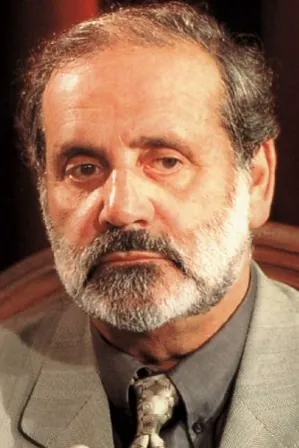
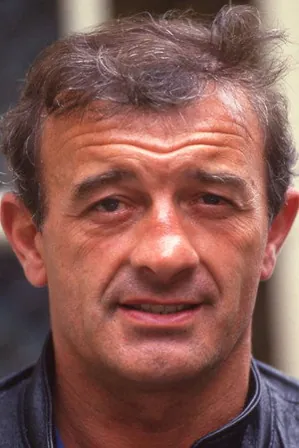
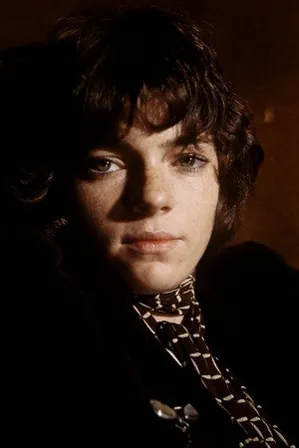
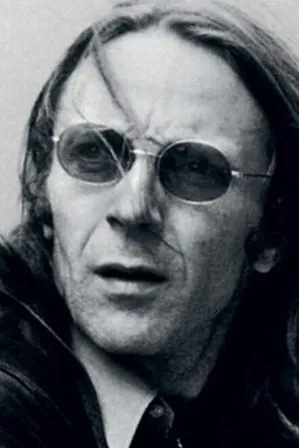
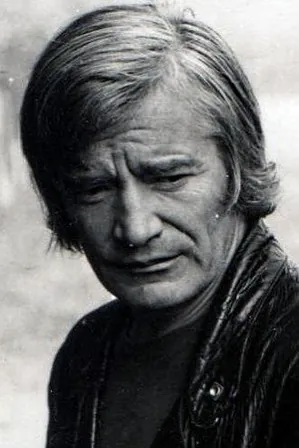
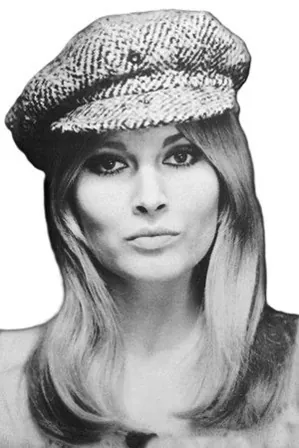
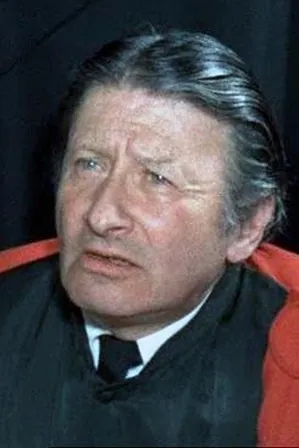
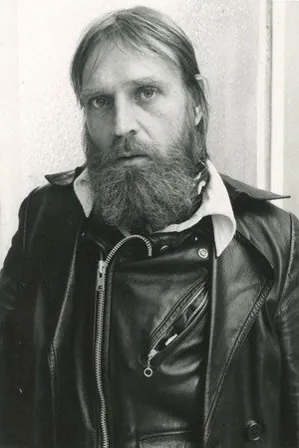
Directed by Jean-Luc Godard and based on a Julio Cortázar story, this postmodern black comedy features prominent French New Wave participants, including cinematographer Raoul Coutard, script supervisor Suzanne Schiffman, and actor Jean-Pierre Léaud in dual roles.
Cast & Crew
View all →








Why Cult
The film turns a simple drive into a phantasmagoric odyssey where logic and narrative conventions are gleefully upended.
Godard skewers bourgeois society with dark comedy, absurd violence, and farcical set-pieces that push satire to anarchic extremes.
Characters break the fourth wall and the film references its own artifice, keeping you guessing what’s real and what’s cinema.
The journey is peppered with encounters with figures like Louis Antoine de Saint-Just and Emily Brontë, blending the absurd with the intellectual.
Scene Gallery
Questions from the Vault
Who directed Weekend? +
Weekend was directed by Jean-Luc Godard.
When was Weekend released? +
Weekend was released in 1967.
How long is Weekend? +
Weekend has a runtime of 104 minutes.
What genre is Weekend? +
Weekend is an adventure, comedy, and drama film.
How does Weekend blur the line between reality and fiction? +
Weekend features characters who are self-aware, including moments where they question whether they are in a film or reality, and it uses intertitles and references to its own actors to draw attention to its constructed nature.